
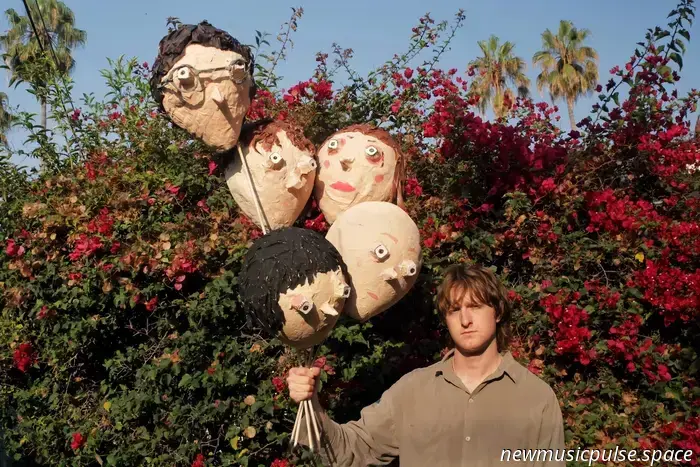
Nashville’s Will Paquin shares insights on his long-anticipated debut album ‘Hahaha,’ a record inspired by reflections on the past, self-exploration, and a full commitment to his musical career.
Stream: ‘Hahaha’ – Will Paquin
It's quite surprising that Nashville-based singer/songwriter Will Paquin is only just now releasing his debut album, Hahaha, especially given the popularity and success of his previous songs. “Chandelier” quickly became a sensation, amassing millions of streams and gaining traction on TikTok after Paquin shared a spontaneous clip of it in 2020. While Hahaha represents a significant sonic shift from Paquin's earlier musical style, he is dedicated to creating music that is true to his artistic voice, exploring garage rock and a more playful vibe. Recently, Paquin discussed with Atwood Magazine his unexpected return to music and the journey leading up to Hahaha.
One of Paquin's primary goals in crafting the new album was to create music that would be undeniably enjoyable to perform live. “That's essentially why I wrote the album, to play it for a live audience… some of my [older] songs were written during sad times… there's definitely a space for playing softer music and heavily connecting with audiences through lyrics… But I'm simply not in that place right now."
From songs like “I Work So Hard” to “Orangutan,” the intention behind Hahaha becomes clear on first listen. Unlike his earlier work, which had a more introspective and melancholic tone, most tracks on the new album blend grunge, punk, and elements of traditional indie rock. Paquin not only wrote these songs to connect with a live audience but also composed some while on stage during his previous tour.
“We toured Europe in May, testing out the songs which hadn't been released yet; people responded positively. It was really validating to know we were on the right track in terms of uplifting performances.” Having gained recognition through tracks like “Chandelier” and “Satellite,” which are not necessarily slow but carry a more serious tone, it was challenging for Paquin to permit himself to release songs that feel less dramatic. “Some of these tracks are just silly, like ‘Orangutan’… I was just having fun. The old me would have overthought it and said, ‘Oh, this is too silly. I can’t release this,’ but it seems like those are the ones people enjoy the most."
Another significant advantage for Paquin in expressing himself freely is his status as an independent artist. “I really try not to let any external pressures influence the direction of my music… I don’t have anyone dictating what I should create.” This autonomy allows Paquin to produce anything that resonates with him while also embracing significant tonal shifts from one release to the next. “I've always changed with every release, for better or worse, but that's just my nature. This album sounds quite different from anything I've done before... the previous EP was entirely different, and so were all the singles. So, I believe my listeners have come to expect that.”
The journey to Hahaha wasn't as straightforward as one might presume. Although the success of “Chandelier” placed Paquin in the limelight, it brought its own challenges. “It felt as though it caused so much disruption in my life that I almost grew to resent it… a part of me still resents that song for how my life turned upside down… I took it quite hard, honestly.”
Paquin released “Chandelier” during the pandemic while he was still in college, and although many connected with its lyrical themes and unique sound, the song also introduced numerous complications for him. “It was a unique moment where I wrote it and immediately knew it would be big… However, it became much larger than I anticipated. I had initially thought that hitting a million streams would mean success, and now it’s reached hundreds of millions, which is incredible.”
Despite the turbulent path leading to Hahaha, Paquin now feels secure in the music he's producing and has a solid team around him to help bring his project to fruition. He collaborated with his childhood best friend, William Levin, to produce the album. “He’s been my friend my whole life… he’s known all my songs since middle school.” Having someone so familiar with his music served as a catalyst for the record, with Levin encouraging Paquin to delve deeper into their childhood creativity.
“I finished writing [“I Work So Hard”] that morning. We recorded it that same day, and we completed it super quickly, which is amusing. It took, like, twelve years to finalize it, yet it took just one morning to actually record it.” Working alongside Levin enhances the youthful exuberance of the garage rock sound permeating the tracks. “I played in his band for a long time, even in elementary school. We've been friends since kindergarten.” Their reconnection after drifting apart in high school and college to create


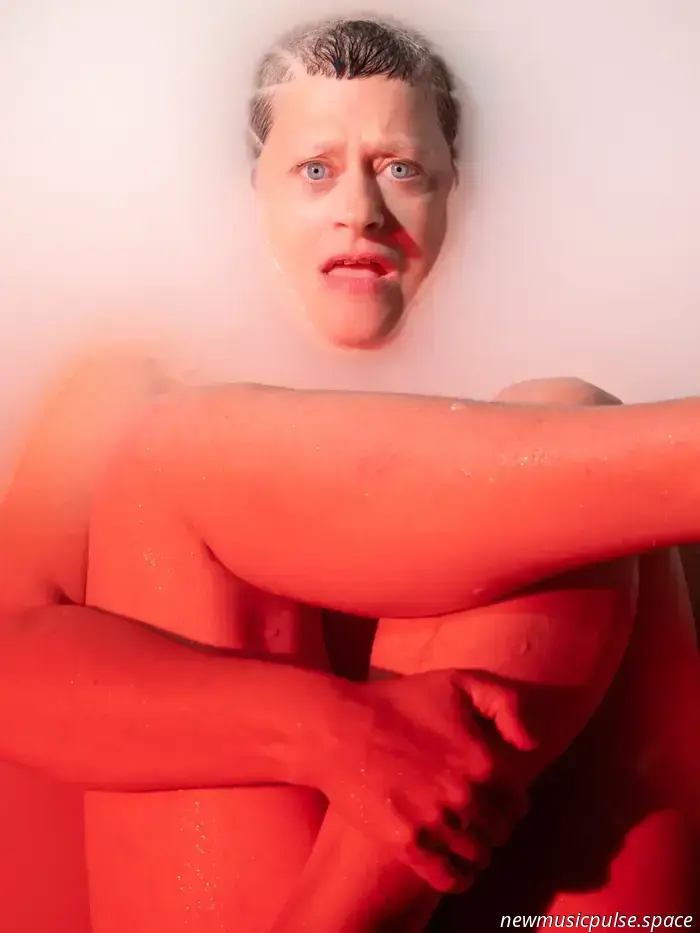
Peaches has returned, baby. The electro-pop provocateur made a significant impact on the constrained, heteronormative indie rock scene in the 2000s, delivering a series of
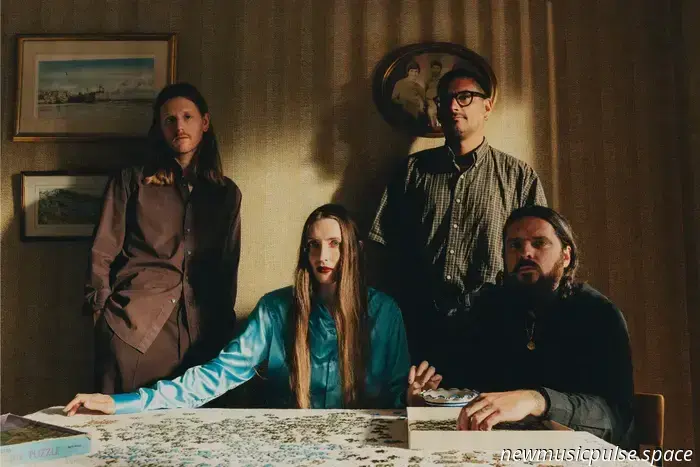
Dry Cleaning is set to embark on a complete UK tour in April 2026. The Bristol-based band has recently indicated their comeback, with the highly awaited new album 'Secret Love' scheduled for release.
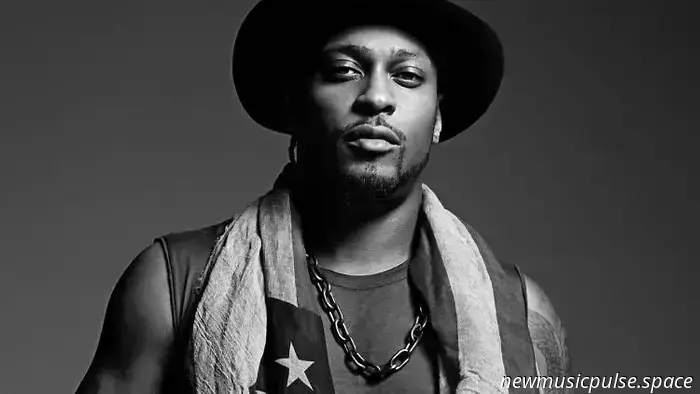
Several reports from the United States indicate that the modern soul icon D'Angelo has passed away. These reports are emerging from various sources, but so far
Nashville’s Will Paquin delves into his highly anticipated debut album ‘Hahaha,’ a project that emerged from reflecting on the past, exploring self-identity, and fully dedicating himself to a career in music.