Music news
Dollpile's "Fake Flowers" Offers a Cathartic Fuzz Folk Release of Fatigue, Reminiscence, and Emotional Untangling - Atwood Magazine

Dollpile's "Fake Flowers" Offers a Cathartic Fuzz Folk Release of Fatigue, Reminiscence, and Emotional Untangling - Atwood Magazine

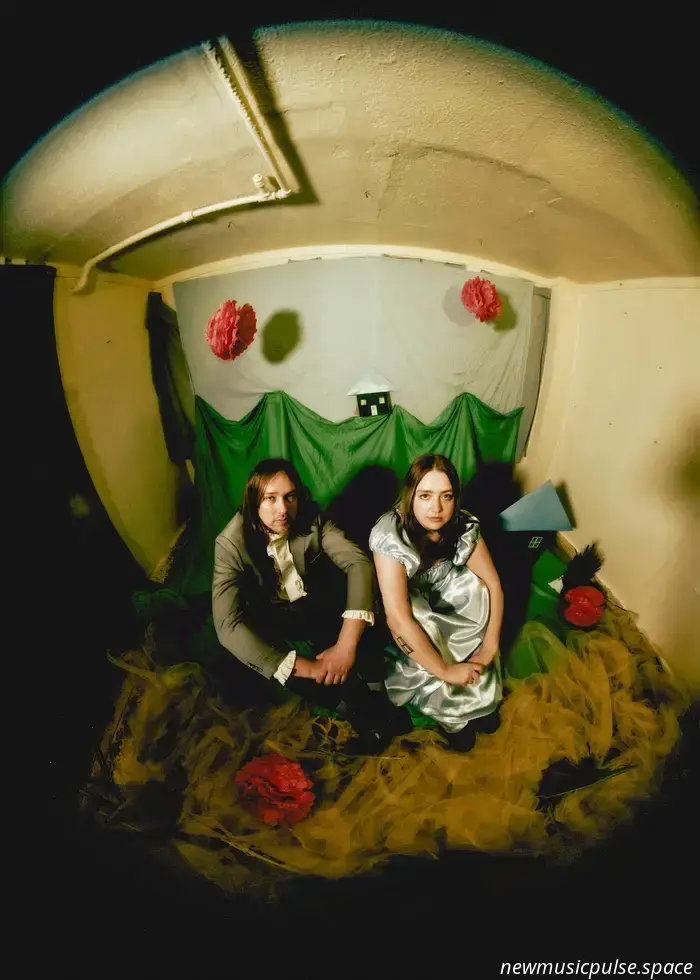
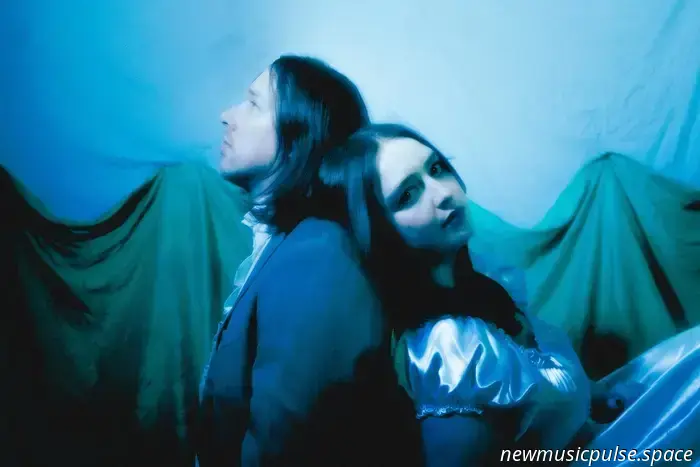
      The up-and-coming Denver band Dollpile, categorized within the “fuzz folk” genre, encapsulates the struggle of trying to communicate with someone who is unresponsive in their song “Fake Flowers.” This track serves as a cathartic release of weariness, reminiscence, and emotional disarray, offering a personal preview of their forthcoming album, ‘Someone Else’s Heaven.’

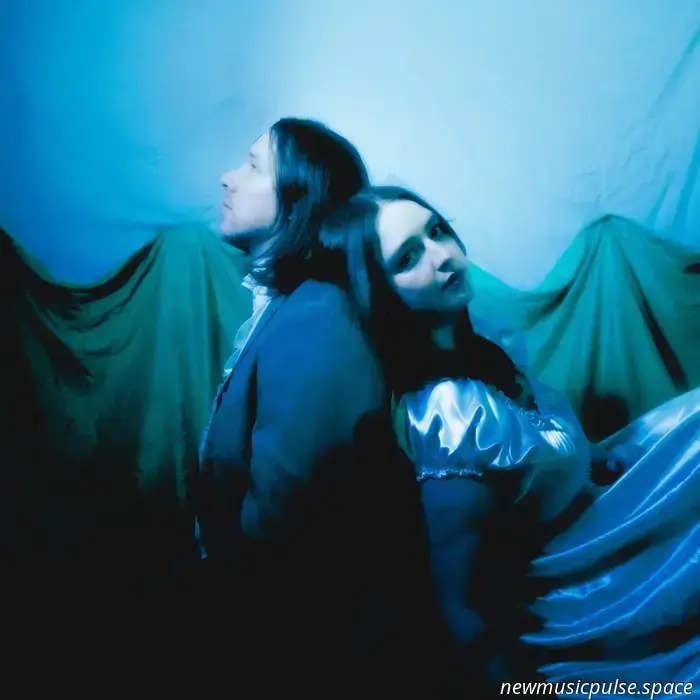
      “Setting out fake flowers on the tabletop while you’re mouthing off…” Dollpile begins “Fake Flowers” with a quiet sting that gradually intensifies as the essence of the song envelops you. The duo, composed of Isadora Eden and Sumner Erhard, who recently rebranded to reflect their collaborative spirit, create a sound they endearingly term fuzz folk—a moody fusion of indie rock, shoegaze, and gothic folk. “Fake Flowers,” the lead single from their upcoming album, exemplifies Dollpile’s compelling nature: it is both weighty and gentle, intimate yet engulfing, raw yet comforting.

      The song flows like a low cloud drifting over a dark field—dense, humming, and oddly reassuring. Its guitars resonate with a slowly building tension, the distortion encircling Eden’s vocals like a protective veil. Instead of overwhelming, the weight of the music absorbs and draws listeners in, making the experience feel like something to inhabit rather than merely listen to. Even within its heaviness, warmth emanates outward—a cathartic, tight-chested glow that momentarily stills the world.

      Eden shares that the song stems from a particular emotional fracture. “Lyrically, it’s about feeling the necessity to explain yourself and your choices to those who you don’t feel are worthy of your time,” she explains. “Especially when you find yourself repeating the same things and revisiting painful memories, and the other person isn’t really listening.” This weariness is central to lines like “I told you what I wanted to say but I can say it again… I’d walk back through it all but I don’t want to do it again,” where the repetitive frustration of never being truly understood manifests as its own form of pain.

      The title has real-life roots; Eden recalls fidgeting with small crochet flowers during one of those exhausting conversations. The term “fake flowers” felt remarkably appropriate—a metaphor for unacknowledged apologies and explanations, representing something genuinely offered but met with indifference.

      Musically, “Fake Flowers” quickly took shape once Eden shared the demo with Erhard. “When I first heard the solo demo, I didn’t want to modify the rhythm guitar or structure,” Erhard remarks. Instead, he created a surrounding atmosphere—complementing it with a subtle lead line that began as a placeholder but ultimately felt vital. The resulting track feels lived-in from its inception, as if it had been waiting to be unearthed.

      Dollpile’s musical essence is interwoven with emotions and memories—soundtracks for “walking home alone after a party, doom scrolling until dawn, and cruising through your deserted hometown pretending to call your high school best friend,” as they describe it.

      This emotional terrain deepens with Dollpile’s recent releases, each evoking its own unique ache. The ethereal and shimmering “Stoplights” and the weighty, gut-wrenching title track “Someone Else’s Heaven” expand the album's palette in two compelling directions—one delicate and glimmering, the other heavy and visceral. Both songs draw listeners further into Dollpile’s shadowy, slow-burning realm, unveiling new layers of their evolving sound and sharpening the emotional edges of this chapter. “Stoplights” offers a gentle glow, anchored by evocative lyrics like “watching snow fall in the stoplights like it’s new,” while “Someone Else’s Heaven” acts as a bold confrontation, lingering in the chest long after the final note. Its haunting refrain is as much a revelation as it is a collapse: “I’m someone else in someone else’s heaven,” Eden sings with unsettling clarity, condensing the song's emotional fracture into one quietly devastating line. Together, these tracks hint at an album built on contrasts—radiance and grit, silence and rupture—showcasing a band that is fully embracing the world they are meticulously crafting, song by song.

      As Dollpile continues to delve deeper into their artistry, their fuzz folk identity is becoming strikingly distinct—textured, unhurried, and unafraid to explore the more profound emotions. “Fake Flowers” encapsulates all the elements that render Dollpile a compelling force in the alternative scene—the weight, the warmth, the emotional clarity, and the way their songs resonate with both vulnerability and comfort. It’s a subtle eruption, one that immerses rather than inundates, allowing space for the feelings we often avoid and the realities we are weary of reiterating. As they move toward ‘Someone Else’s Heaven,’ this track stands as a standout—reflect
Dollpile's "Fake Flowers" Offers a Cathartic Fuzz Folk Release of Fatigue, Reminiscence, and Emotional Untangling - Atwood Magazine Dollpile's "Fake Flowers" Offers a Cathartic Fuzz Folk Release of Fatigue, Reminiscence, and Emotional Untangling - Atwood Magazine Dollpile's "Fake Flowers" Offers a Cathartic Fuzz Folk Release of Fatigue, Reminiscence, and Emotional Untangling - Atwood Magazine Dollpile's "Fake Flowers" Offers a Cathartic Fuzz Folk Release of Fatigue, Reminiscence, and Emotional Untangling - Atwood Magazine Dollpile's "Fake Flowers" Offers a Cathartic Fuzz Folk Release of Fatigue, Reminiscence, and Emotional Untangling - Atwood Magazine Dollpile's "Fake Flowers" Offers a Cathartic Fuzz Folk Release of Fatigue, Reminiscence, and Emotional Untangling - Atwood Magazine

Other articles

1967 tested The Beatles significantly. While the triumph of ‘Sgt. Pepper's Lonely Hearts Club Band’ marked a peak during the Summer of Love, the band also faced the loss of their cherished manager, Brian Epstein. As Christmas approached, it likely became a deeply reflective time for the four young musicians, who responded by creating a psychedelic tribute to the holiday season.

From 1963 to 1969, the band annually sent festive greetings to their fan club members, which included an exclusive seven-inch single. These discs often combined playful skits with great humor, sometimes featuring true gems.

The Christmas gift of 1967 was arguably their strongest offering musically. Released in early December, the soundtrack for ‘Magical Mystery Tour’ gave The Beatles the opportunity to concentrate fully on the project.

The result was ‘Christmastime (Is Here Again).’ This expansive holiday anthem, characterized by its thumping piano and rumbling timpani, creates a hallucinogenic atmosphere with the band's uplifting harmonies chanting a simple yet impactful lyric.

Backing vocals were provided by George Martin and Welsh actor Victor Spinetti, adding further depth to the harmonies.

A psychedelic holiday mantra, the arrangement reflects their contemporary work—particularly ‘Hello, Goodbye’—and is credited to all four Beatles, making it one of the very few songs to receive such acknowledgment. The artwork, created by John Lennon alongside his son Julian and Ringo Starr, is featured at the top.

Delightful in nature, ‘Christmastime (Is Here Again)’ garnered its own cult following as a true deep cut from The Beatles. A planned reissue as part of the canceled Sessions project in 1984 led to bootlegging, and the song was eventually officially released in the Anthology box set, with a 2017 set compiling all the Christmas fan club singles in one collection.

Take a moment to revisit ‘Christmastime (Is Here Again)’ below. 

Related: Tweetle-Mania – Inside Beatles’ Stan Twitter

1967 tested The Beatles significantly. While the triumph of ‘Sgt. Pepper's Lonely Hearts Club Band’ marked a peak during the Summer of Love, the band also faced the loss of their cherished manager, Brian Epstein. As Christmas approached, it likely became a deeply reflective time for the four young musicians, who responded by creating a psychedelic tribute to the holiday season. From 1963 to 1969, the band annually sent festive greetings to their fan club members, which included an exclusive seven-inch single. These discs often combined playful skits with great humor, sometimes featuring true gems. The Christmas gift of 1967 was arguably their strongest offering musically. Released in early December, the soundtrack for ‘Magical Mystery Tour’ gave The Beatles the opportunity to concentrate fully on the project. The result was ‘Christmastime (Is Here Again).’ This expansive holiday anthem, characterized by its thumping piano and rumbling timpani, creates a hallucinogenic atmosphere with the band's uplifting harmonies chanting a simple yet impactful lyric. Backing vocals were provided by George Martin and Welsh actor Victor Spinetti, adding further depth to the harmonies. A psychedelic holiday mantra, the arrangement reflects their contemporary work—particularly ‘Hello, Goodbye’—and is credited to all four Beatles, making it one of the very few songs to receive such acknowledgment. The artwork, created by John Lennon alongside his son Julian and Ringo Starr, is featured at the top. Delightful in nature, ‘Christmastime (Is Here Again)’ garnered its own cult following as a true deep cut from The Beatles. A planned reissue as part of the canceled Sessions project in 1984 led to bootlegging, and the song was eventually officially released in the Anthology box set, with a 2017 set compiling all the Christmas fan club singles in one collection. Take a moment to revisit ‘Christmastime (Is Here Again)’ below. Related: Tweetle-Mania – Inside Beatles’ Stan Twitter

XL Recordings is celebrating the 10th anniversary of Archy Marshall's (also known as King Krule) 'A New Place 2 Drown' by releasing a newly remastered version.

Premiere: Lizzie Weber and Markéta Irglová Present a Sacred, Emotionally Moving Invocation in “Maria” - Atwood Magazine

Premiere: Lizzie Weber and Markéta Irglová Present a Sacred, Emotionally Moving Invocation in “Maria” - Atwood Magazine

Lizzie Weber and Markéta Irglová present a quiet, mesmerizing expression of devotion in "Maria" – a gently glowing prayer of liberation and rejuvenation that merges earthly visuals with spiritual yearning, crafting a realm where vulnerability transforms into a form of grace.
Mattel has officially introduced the second wave of the Masters of the Universe Origins 200x action figures, drawing inspiration from the characters' classic designs in the 1980s animated series, He-Man and the Masters of the Universe. This wave features Evil-Lyn, Man-at-Arms, Moss Man, and Ram-Man; take a look here…

The Origins Cartoon Collection Evil-Lyn action figure is based on the beloved MOTU 200X action figure line, which was itself influenced by the He-Man and the Masters of the Universe television series. This reimagined version of the toy line launched in 2002 combines retro aesthetics with modern articulation. At a scale of 5.5 inches, this evil sorceress boasts 16 points of articulation and interchangeable body parts. Evil-Lyn is packaged with a staff-style wand accessory, inspired by the episode “The Beginning.”  
This MOTU Origins Cartoon Collection Evil-Lyn action figure will evoke cherished memories of the 1980s, as well as the treasured 200X toy line based on He-Man and the Masters of the Universe.  
This Evil-Lyn figure modernizes the toy released in 2002 featuring the evil warrior goddess. She is designed at a 5.5-inch scale and has 16 points of articulation for dynamic battle poses.  
Included is a staff-style wand accessory, inspired by the He-Man and the Masters of the Universe episode “The Beginning.”  
The figure's removable body parts allow for mixing and matching with other MOTU Origins figures. All figures are sold separately and are subject to availability.  
Fans will be eager to collect all the Cartoon Collection 200X figures to create a nostalgic display that brings back the childhood joy of these 2000s toys!  
This Origins Evil-Lyn figure is suitable for Masters of the Universe fans aged 6 years and older.

The Origins Cartoon Collection Man-At-Arms action figure is inspired by the cherished MOTU 200X action figure line, which also draws from the He-Man and the Masters of the Universe TV series. This updated version of the toy line from 2002 features retro elements combined with modern articulation. At a 5.5-inch scale, the Master of Weapons has 16 points of articulation, interchangeable body parts, and removable armor pieces. Man-At-Arms comes with a mace accessory, inspired by the episode ‘Lessons.’  
This MOTU Origins Cartoon Collection Man-At-Arms action figure is sure to rekindle fond memories of the 1980s and the beloved 200X toy line based on He-Man and the Masters of the Universe.  
This Man-At-Arms figure is a contemporary take on the 200X version of Duncan, designed at a 5.5-inch scale and featuring 16 points of articulation for battle poses.  
A mace accessory accompanies the figure, inspired by the He-Man and the Masters of the Universe episode ‘Lessons.’ Both his chest and shoulder armor are removable.  
The figure's interchangeable body parts allow for customization with other MOTU Origins figures. All figures are sold separately and subject to availability.  
Fans will want to obtain all the Cartoon Collection 200X figures to form a nostalgic showcase that recalls the childhood magic of these 2000s toys!  
This Origins Man-At-Arms figure is suited for Masters of the Universe enthusiasts aged 6 and older.

The Origins Cartoon Collection Moss Man action figure is inspired by the beloved MOTU 200X action figure line, which itself was inspired by the He-Man and the Masters of the Universe television series. This reimagined version of the toy line released in 2002 combines a retro style with modern articulation. At the 5.5-inch scale, the heroic spy and master of camouflage features 16 points of articulation, interchangeable body parts, and removable armor pieces. Moss Man is equipped with a club accessory, inspired by the episode “Orko’s Garden.”  
This MOTU Origins Cartoon Collection Moss Man action figure will evoke fond memories of the 1980s and the cherished 200X toy line based on He-Man and the Masters of the Universe.  
This Moss Man figure is a modern interpretation of the 200X version of the master of camouflage, designed at a 5.5-inch scale with 16 points of articulation for dynamic poses.  
Included is a club accessory, inspired by He-Man and the Masters of the Universe episode “Orko’s Garden.” His fur harness and belt can be removed.  
The figure's removable body parts provide opportunities for mixing and matching with other MOTU Origins figures. All figures are sold separately and subject to availability.  
Fans will look to collect all the Cartoon Collection 200X figures to create a nostalgic showcase that inspires the childhood wonder of these 2000s toys!  
This Origins Moss Man figure is suitable for Masters of the Universe fans aged 6 years and older.

The Origins Cartoon Collection Ram Man deluxe

Mattel has officially introduced the second wave of the Masters of the Universe Origins 200x action figures, drawing inspiration from the characters' classic designs in the 1980s animated series, He-Man and the Masters of the Universe. This wave features Evil-Lyn, Man-at-Arms, Moss Man, and Ram-Man; take a look here… The Origins Cartoon Collection Evil-Lyn action figure is based on the beloved MOTU 200X action figure line, which was itself influenced by the He-Man and the Masters of the Universe television series. This reimagined version of the toy line launched in 2002 combines retro aesthetics with modern articulation. At a scale of 5.5 inches, this evil sorceress boasts 16 points of articulation and interchangeable body parts. Evil-Lyn is packaged with a staff-style wand accessory, inspired by the episode “The Beginning.” This MOTU Origins Cartoon Collection Evil-Lyn action figure will evoke cherished memories of the 1980s, as well as the treasured 200X toy line based on He-Man and the Masters of the Universe. This Evil-Lyn figure modernizes the toy released in 2002 featuring the evil warrior goddess. She is designed at a 5.5-inch scale and has 16 points of articulation for dynamic battle poses. Included is a staff-style wand accessory, inspired by the He-Man and the Masters of the Universe episode “The Beginning.” The figure's removable body parts allow for mixing and matching with other MOTU Origins figures. All figures are sold separately and are subject to availability. Fans will be eager to collect all the Cartoon Collection 200X figures to create a nostalgic display that brings back the childhood joy of these 2000s toys! This Origins Evil-Lyn figure is suitable for Masters of the Universe fans aged 6 years and older. The Origins Cartoon Collection Man-At-Arms action figure is inspired by the cherished MOTU 200X action figure line, which also draws from the He-Man and the Masters of the Universe TV series. This updated version of the toy line from 2002 features retro elements combined with modern articulation. At a 5.5-inch scale, the Master of Weapons has 16 points of articulation, interchangeable body parts, and removable armor pieces. Man-At-Arms comes with a mace accessory, inspired by the episode ‘Lessons.’ This MOTU Origins Cartoon Collection Man-At-Arms action figure is sure to rekindle fond memories of the 1980s and the beloved 200X toy line based on He-Man and the Masters of the Universe. This Man-At-Arms figure is a contemporary take on the 200X version of Duncan, designed at a 5.5-inch scale and featuring 16 points of articulation for battle poses. A mace accessory accompanies the figure, inspired by the He-Man and the Masters of the Universe episode ‘Lessons.’ Both his chest and shoulder armor are removable. The figure's interchangeable body parts allow for customization with other MOTU Origins figures. All figures are sold separately and subject to availability. Fans will want to obtain all the Cartoon Collection 200X figures to form a nostalgic showcase that recalls the childhood magic of these 2000s toys! This Origins Man-At-Arms figure is suited for Masters of the Universe enthusiasts aged 6 and older. The Origins Cartoon Collection Moss Man action figure is inspired by the beloved MOTU 200X action figure line, which itself was inspired by the He-Man and the Masters of the Universe television series. This reimagined version of the toy line released in 2002 combines a retro style with modern articulation. At the 5.5-inch scale, the heroic spy and master of camouflage features 16 points of articulation, interchangeable body parts, and removable armor pieces. Moss Man is equipped with a club accessory, inspired by the episode “Orko’s Garden.” This MOTU Origins Cartoon Collection Moss Man action figure will evoke fond memories of the 1980s and the cherished 200X toy line based on He-Man and the Masters of the Universe. This Moss Man figure is a modern interpretation of the 200X version of the master of camouflage, designed at a 5.5-inch scale with 16 points of articulation for dynamic poses. Included is a club accessory, inspired by He-Man and the Masters of the Universe episode “Orko’s Garden.” His fur harness and belt can be removed. The figure's removable body parts provide opportunities for mixing and matching with other MOTU Origins figures. All figures are sold separately and subject to availability. Fans will look to collect all the Cartoon Collection 200X figures to create a nostalgic showcase that inspires the childhood wonder of these 2000s toys! This Origins Moss Man figure is suitable for Masters of the Universe fans aged 6 years and older. The Origins Cartoon Collection Ram Man deluxe

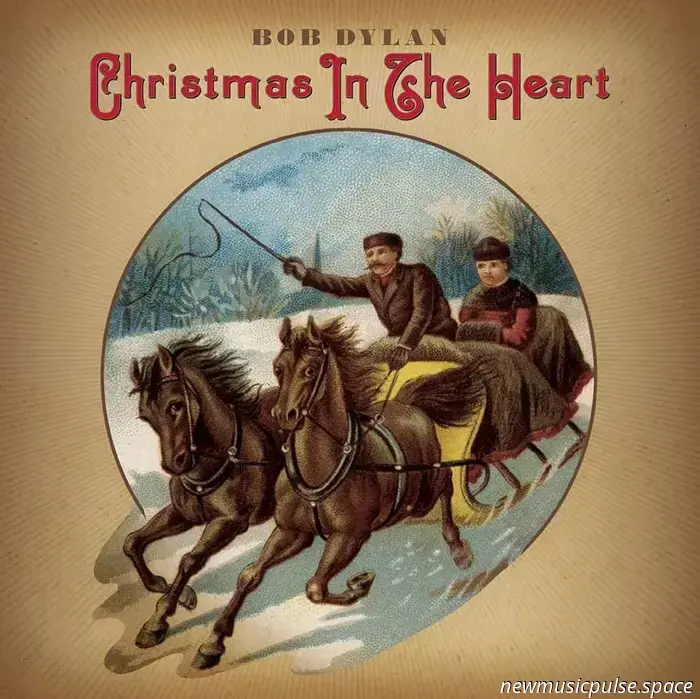
Bob Dylan has never attempted to meet the expectations placed upon him. The golden child of the Greenwich Village folk scene, his shift to electric rock ‘n’

Liam Gallagher: Oasis Will Not Be Touring in 2026

Liam Gallagher: Oasis Will Not Be Touring in 2026

Liam Gallagher has stated that Oasis will not be touring in 2026. Earlier this year, the band made a comeback, launching a record-setting reunion tour with an

Dollpile's "Fake Flowers" Offers a Cathartic Fuzz Folk Release of Fatigue, Reminiscence, and Emotional Untangling - Atwood Magazine

The rising Denver "fuzz folk" group Dollpile captures the pain of trying to explain oneself to an unresponsive listener in "Fake Flowers." This track is a cathartic release of weariness, reminiscence, and emotional disarray, offering an intimate preview of the band's forthcoming album, 'Someone Else’s Heaven.'