
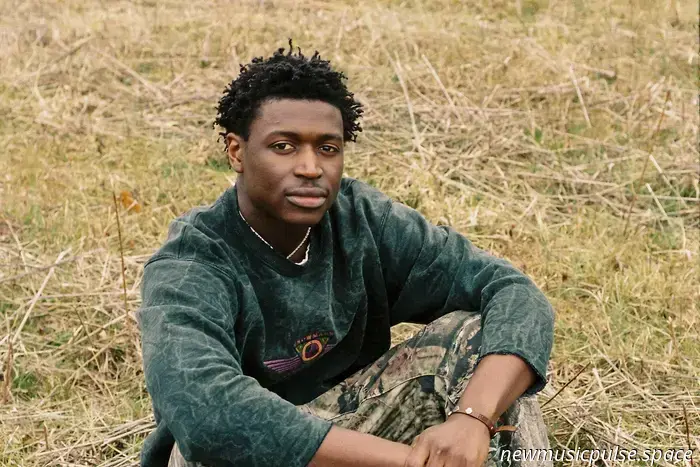
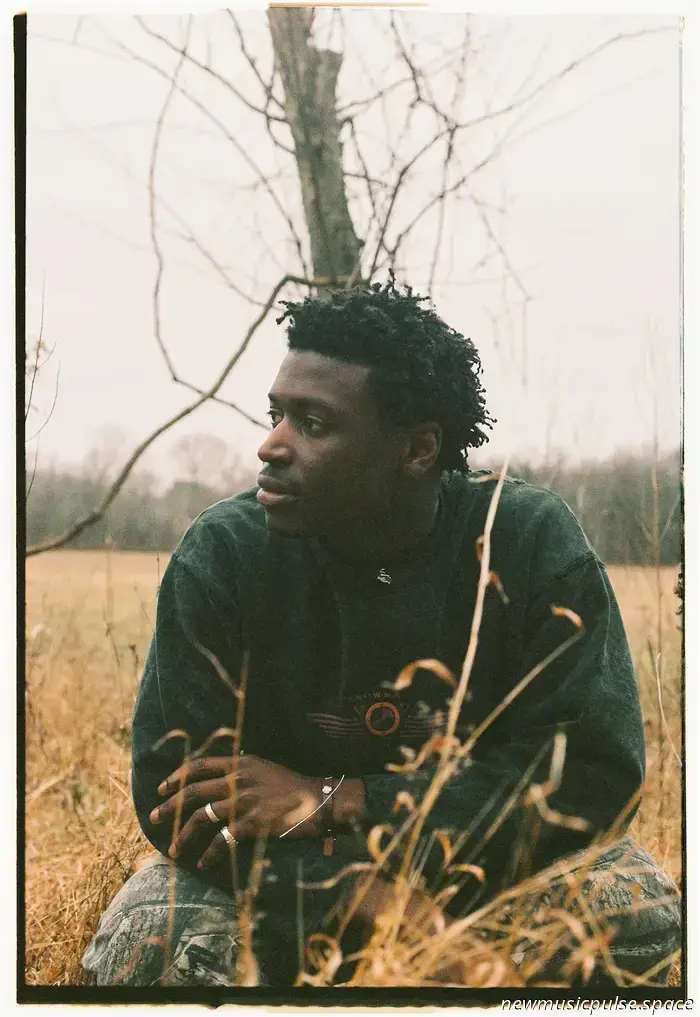
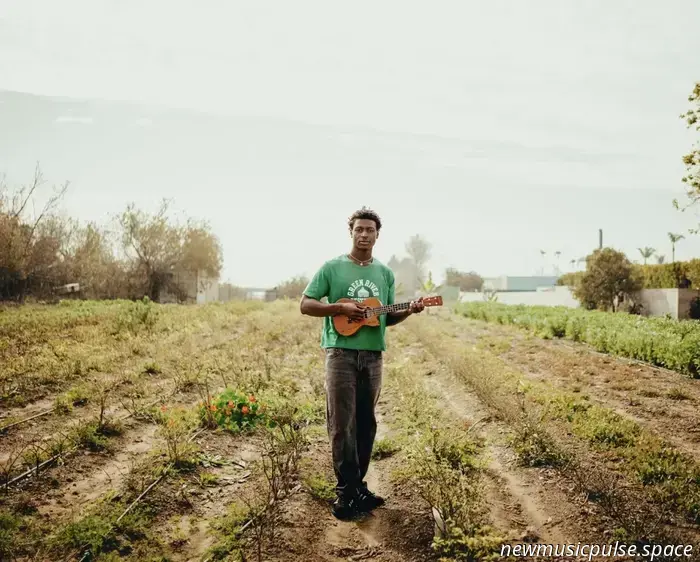
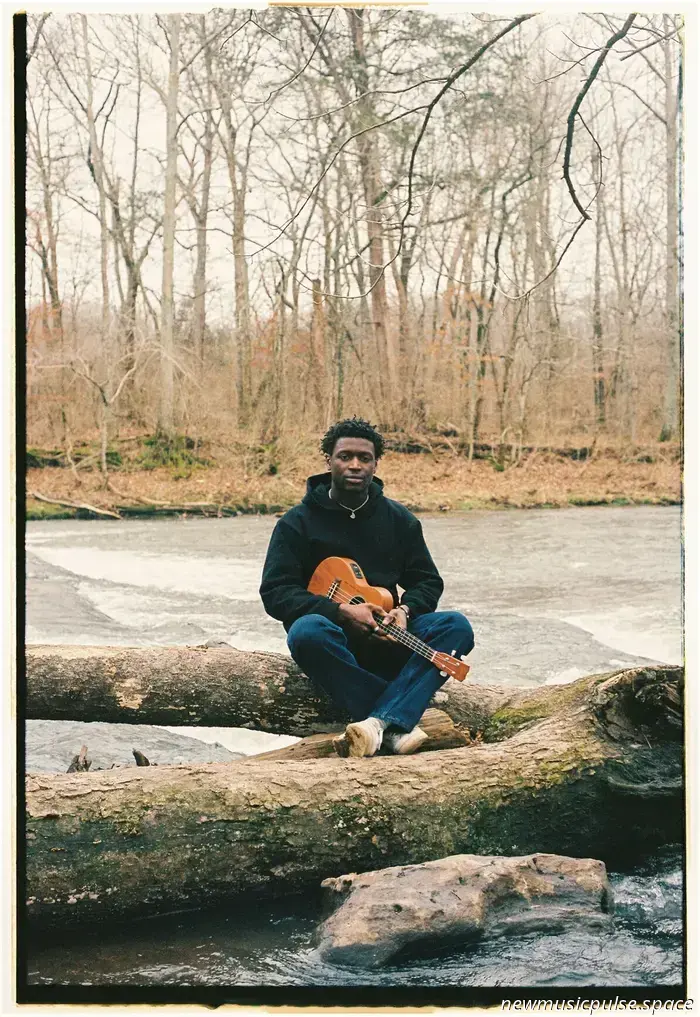
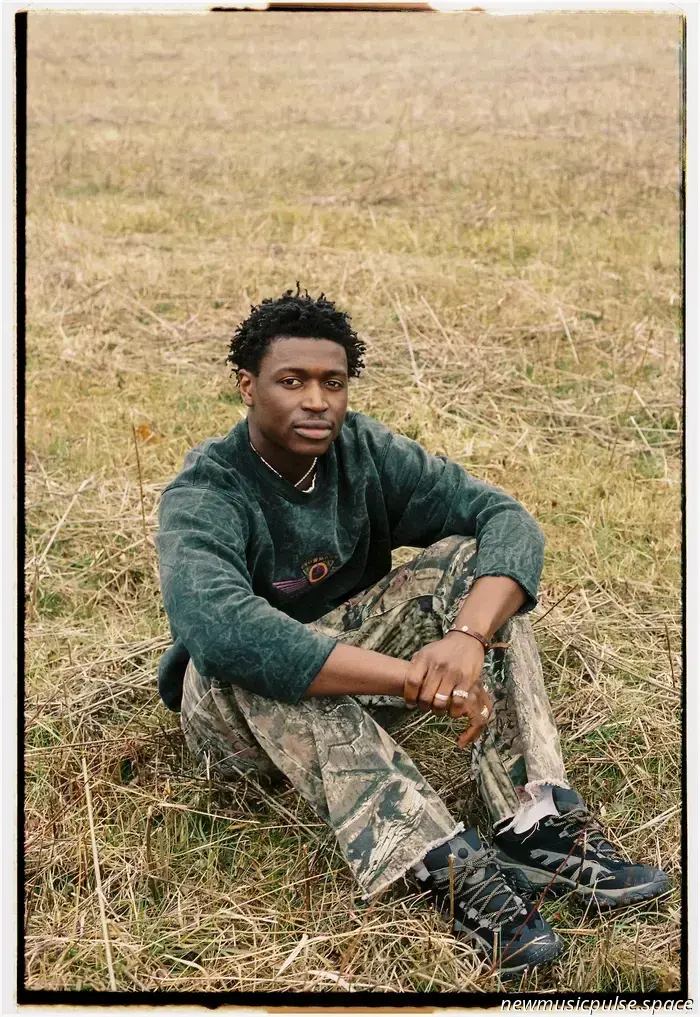
Mon Rovîa showcases both fierceness and compassion in “Heavy Foot,” a heartfelt, rhythmic protest anthem that channels anger, sorrow, and everyday injustices into a collective healing experience. Drawing from his Afro Appalachian musical roots and the life experiences that inform his upcoming debut album ‘Bloodline,’ this song illustrates why the Liberia-born, Tennessee-based singer/songwriter is poised to be one of the essential artists of 2026 – infusing contemporary folk with poignant clarity and emotional depth regarding memory, identity, and duty.
The song captures the current moment – the struggles facing Americans, including individuals and government actions. It expresses themes of joy and resistance, addressing truth and the strength found in unity, suggesting that collective action can drive change.
* * *
Mon Rovîa typically draws on intense emotions, but “Heavy Foot” resonates with a unique strength – a protest song that feels inviting and motivating, providing catharsis while confronting the fractures of a nation in turmoil. The Liberia-born artist, named one of Atwood’s 2025 Artists to Watch and a three-time Editor’s Pick, combines both anger and gentleness in a piece that encourages listeners not only to acknowledge the world's suffering but to actively seek healing together. It is heavy yet human, political yet hopeful – a distinctive protest anthem that uplifts even as it cautions.
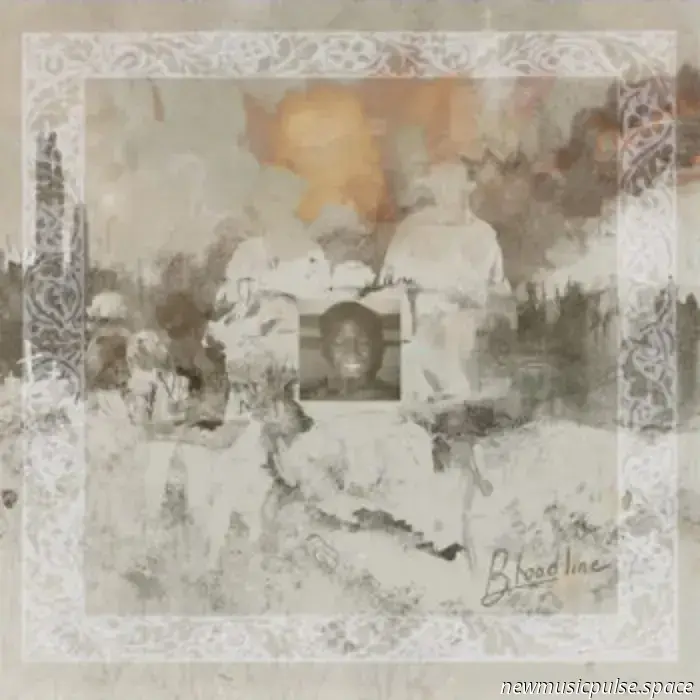
“Heavy Foot” represents a crucial early moment in Mon Rovîa’s upcoming debut album Bloodline, which is infused with themes of resilience, memory, and the ongoing challenge of facing reality (set for release on January 9, 2026, via Nettwerk). With a steady, pulsating rhythm and his deep, resonant voice, “Heavy Foot” unfolds like a march through contemporary struggles, vividly portraying everyday injustices: “Do you hear the sound of the bell… times ain’t the same in the neighborhood… guns keep flying off the shelf,” he sings, maintaining composure as the lyrics reveal fear, sorrow, and generational trauma. The emotional gravity of the song is undeniable, yet it remains steadfast, creating space for solidarity, warmth, and connection amidst oppressive systems.
Heavy Foot – Mon Rovîa
Do you hear the sound of the bell
Did you wish your family well?
Times ain’t the same in the neighborhood
Got the parents all going through hell
Cause the guns keep flying off the shelf
Do you see the man on the street
Just fighting for a meal to eat
You can write him off as a lunatic
But it coulda been you or me
If we didn’t ever find our feet
Born in Monrovia, Liberia during the First Liberian Civil War and currently based in Chattanooga, Tennessee, Mon Rovîa describes his music as “Afro Appalachian” – an intersection of African and Appalachian folk, reflecting the sounds of banjos and spirituals alongside his own refugee narrative. Rescued as a child from a soldier’s life and raised in various locations including Florida, Montana, the Bahamas, and the American South, he has spent years transforming his tumultuous journey into a message of generosity and wholeness. For him, music serves as both memoir and healing – a means to witness war, exile, and survival while providing a space for others to share their burdens and relate to his experiences, thus “finding their peace.”
“The mission of my music is to heal with others”: A Conversation with Mon Rovîa:: INTERVIEW ::
For Mon Rovîa, “Heavy Foot” represents a crucial reckoning.
“‘Heavy Foot’ reveals the scars of a flawed system, weighed down by a government that steps heavily,” he explains to Atwood Magazine. “Yet, despite this weight, it sings of unwavering unity – reminding us that in the face of oppression, our love and solidarity can counteract the forces trying to suppress us.”
“It reflects on our current era,” he continues. “The struggles faced by Americans, by the people and by the government. It conveys joy and resistance, unveiling harsh truths while emphasizing the strength found in unity. Together, we can evoke change.” He takes this responsibility personally. “Whether discussing homelessness, the prison system, or global issues, it becomes personal because we’re all living in this world together.”
That broad empathy is encapsulated in one of the song’s most impactful verses – “Do you see the man on the screen, just a puppet but you never see the strings, calling it a war and not a genocide…” Mon Rovîa delivers this message directly; he refuses to soften the impact. “The government employs propaganda to turn us against one another,” he explains. “A puppet serves as a powerful metaphor for this. I’m aiming to connect the past and present, highlighting similar patterns.”
While his voice remains calm, his conviction is compelling. Nonetheless, Mon Rovîa maintains that the song’s assertion pairs with compassion. “I want history to remember me as someone who spoke out during challenging
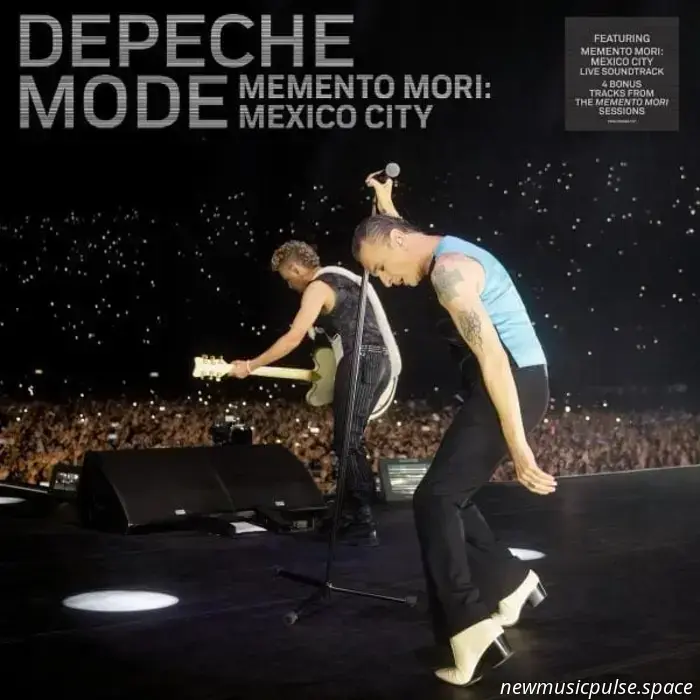
‘Memento Mori: Mexico City’ serves as the counterpart to Fernando Frias’s ‘Depeche Mode: M’, an artistic project that delves into the music of Depeche.

With a bold determination to explore various genres and time periods, Nourished By Time has created a sound that is both timeless and distinctly contemporary. In his latest album 'The Passionate Ones', songwriter and producer Marcus Brown builds upon his 2023 debut with assurance, weaving a complex narrative of political disillusionment, ambition, and – importantly – hope.
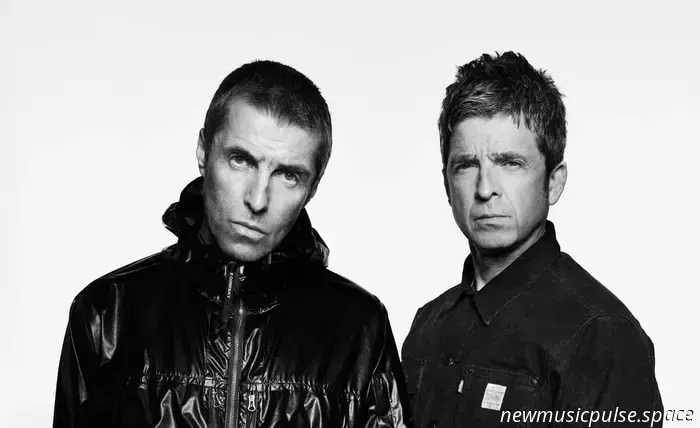
Keyboardist Christian Madden has shared his thoughts on the record-breaking Oasis tour, highlighting the top city they performed in. The keyboard player
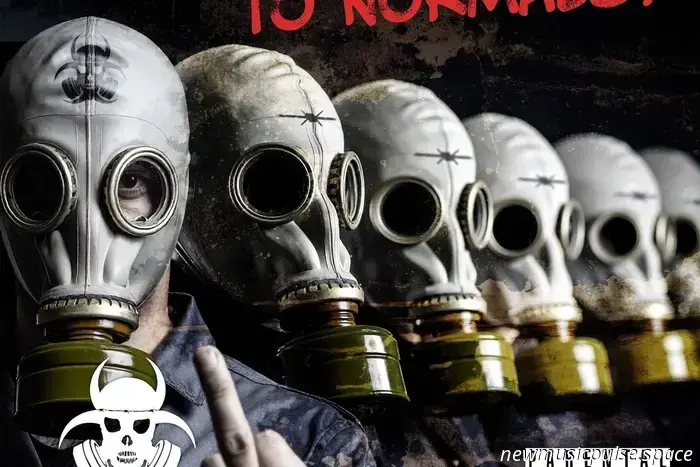
Nashville’s The Quarantined transforms personal trauma and disorder into a powerful, impactful modern rock statement on survival and self-reflection with their newest EP, ‘Aversion to Normalcy.’
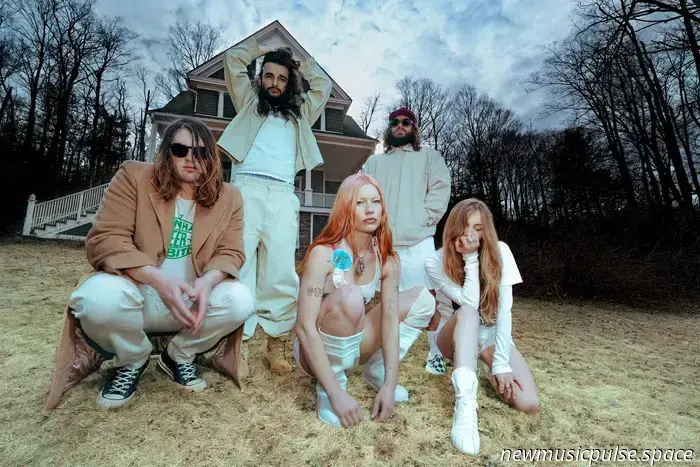
Just after earning three Grammy nominations last month, Wet Leg has released the new video for 'pokemon’ today. Wet Leg consists of Rhian Teasdale and Hester Chambers.
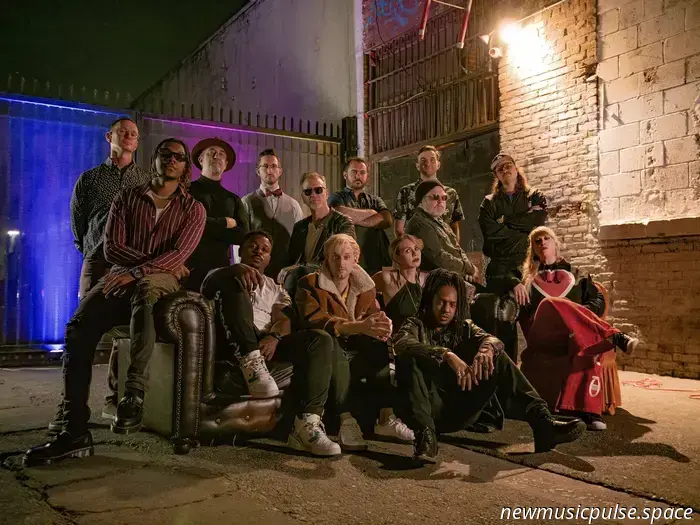
The Urban Renewal Project has recently wrapped up their post-pandemic comeback with the launch of ‘Love Glory Duty Death,’ and they have a wealth of fascinating stories to tell about the album's intricate six-year production journey.
Mon Rovîa displays his most intense and compassionate side in “Heavy Foot,” a heartfelt, rhythmic protest anthem that channels anger, sorrow, and daily injustices into a collective act of healing. Grounded in his Afro Appalachian style and the personal narrative that informs his upcoming debut album ‘Bloodline,’ it highlights why the Liberia-born, Tennessee-based singer/songwriter is an essential artist to watch in 2026—bringing memory, identity, and accountability into modern folk with bold clarity and emotion.