

Music news
Tokyo’s hydrogen Crown program is receiving initial feedback as the sedan is introduced into taxi and police service. 

Toyota plans to deploy 200 Crown FCEV taxis in Tokyo by 2026. The Fukushima police force is utilizing a hydrogen Crown that was launched last year. Both versions maintain the original FCEV configuration, featuring a rear-mounted electric motor.

The Crown Sedan FCEV made its introduction in 2023, becoming Toyota's second hydrogen-powered production vehicle after the Mirai. This model is part of the company’s broader initiative to expand alternative-fuel mobility and hints at the potential of hydrogen for everyday transportation beyond specialized uses.

In addition to the passenger variant for Japanese consumers, Toyota has also created taxi and police car models, each aimed at testing the viability of hydrogen in practical, high-demand environments.

Starting with the taxi version, a fleet of Crown Sedan FCEVs is already operating on Tokyo's streets, with plans to expand to approximately 200 units by March 2026. Each vehicle features a distinctive black exterior, blue graphics, and unique Tokyo H2 decals on the sides.

The interior is fully equipped for taxi services, including an additional GPS system, a fare meter, and a clear barrier behind the driver’s seat. Passengers enjoy generous legroom, tablet-style screens mounted on the seatbacks, a separate touchscreen for climate controls in the central armrest, and seats equipped with a massage feature.

Toyota recognizes that the FCEV’s length of 5,030 mm (198 inches) can make it somewhat cumbersome on narrow city roads, but asserts that this is compensated by smooth acceleration and a quiet, refined ride. Taxi drivers appear to agree, with one stating, “I’ve never driven a car this good before.”

Taxi fares remain fixed at ¥500 ($3), the same as a standard Tokyo cab, making the hydrogen option a competitive alternative to the more prevalent Toyota JPN Taxi.

According to Toyota, the taxi initiative is intended to “help explore the optimal balance of hydrogen supply and demand.” President and CEO Koji Sato described it as “a tremendous first step with meaningful implications for large-scale social implementation.”

A Crown For The Police

The initiative extends beyond taxis. In December 2024, Toyota unveiled a Crown Sedan FCEV police car designed for the Fukushima prefecture, a region impacted by the 2011 nuclear disaster.

The patrol model features a striking black-and-white color scheme, equipped with roof-mounted strobe lights, bold "Police" lettering, and Mount Fuji-inspired graphics on the hood, replacing the standard Toyota badge with a gold emblem.

Both the taxi and police models utilize the standard Crown Sedan FCEV powertrain. A rear-mounted electric motor generates 180 hp (134 kW / 182 PS) and 300 Nm (221 lb-ft) of torque, powered by a fuel cell from the Mirai.

Hydrogen is stored in three high-pressure tanks, providing an impressive range of up to 820 km (510 miles) per refuel.

For those who are skeptical about hydrogen, Toyota also offers a hybrid version of the Crown Sedan, which combines a 2.5-liter engine with dual electric motors.

Tokyo’s hydrogen Crown program is receiving initial feedback as the sedan is introduced into taxi and police service. Toyota plans to deploy 200 Crown FCEV taxis in Tokyo by 2026. The Fukushima police force is utilizing a hydrogen Crown that was launched last year. Both versions maintain the original FCEV configuration, featuring a rear-mounted electric motor. The Crown Sedan FCEV made its introduction in 2023, becoming Toyota's second hydrogen-powered production vehicle after the Mirai. This model is part of the company’s broader initiative to expand alternative-fuel mobility and hints at the potential of hydrogen for everyday transportation beyond specialized uses. In addition to the passenger variant for Japanese consumers, Toyota has also created taxi and police car models, each aimed at testing the viability of hydrogen in practical, high-demand environments. Starting with the taxi version, a fleet of Crown Sedan FCEVs is already operating on Tokyo's streets, with plans to expand to approximately 200 units by March 2026. Each vehicle features a distinctive black exterior, blue graphics, and unique Tokyo H2 decals on the sides. The interior is fully equipped for taxi services, including an additional GPS system, a fare meter, and a clear barrier behind the driver’s seat. Passengers enjoy generous legroom, tablet-style screens mounted on the seatbacks, a separate touchscreen for climate controls in the central armrest, and seats equipped with a massage feature. Toyota recognizes that the FCEV’s length of 5,030 mm (198 inches) can make it somewhat cumbersome on narrow city roads, but asserts that this is compensated by smooth acceleration and a quiet, refined ride. Taxi drivers appear to agree, with one stating, “I’ve never driven a car this good before.” Taxi fares remain fixed at ¥500 ($3), the same as a standard Tokyo cab, making the hydrogen option a competitive alternative to the more prevalent Toyota JPN Taxi. According to Toyota, the taxi initiative is intended to “help explore the optimal balance of hydrogen supply and demand.” President and CEO Koji Sato described it as “a tremendous first step with meaningful implications for large-scale social implementation.” A Crown For The Police The initiative extends beyond taxis. In December 2024, Toyota unveiled a Crown Sedan FCEV police car designed for the Fukushima prefecture, a region impacted by the 2011 nuclear disaster. The patrol model features a striking black-and-white color scheme, equipped with roof-mounted strobe lights, bold "Police" lettering, and Mount Fuji-inspired graphics on the hood, replacing the standard Toyota badge with a gold emblem. Both the taxi and police models utilize the standard Crown Sedan FCEV powertrain. A rear-mounted electric motor generates 180 hp (134 kW / 182 PS) and 300 Nm (221 lb-ft) of torque, powered by a fuel cell from the Mirai. Hydrogen is stored in three high-pressure tanks, providing an impressive range of up to 820 km (510 miles) per refuel. For those who are skeptical about hydrogen, Toyota also offers a hybrid version of the Crown Sedan, which combines a 2.5-liter engine with dual electric motors.

      Plain Mister Smith’s “Andy Warhol” is a vibrant, jangly burst of indie rock energy—a feel-good anthem transforming our internal chaos into something colorful, catchy, and completely refreshing.

      Stream: “Andy Warhol” – Plain Mister Smith

      With a rush of bright guitars and a daydream vibe, “Andy Warhol” feels like a deep breath that evolves into a full-body smile. Plain Mister Smith’s new single is lively and buoyant, propelled by sharp, bold guitar riffs and an infectious rhythm that drives the song forward. Underneath all that brightness lies a tender humanity—the longing to remain calm, cool, and unaffected even when your inner world is a tumultuous mess. This tension gives “Andy Warhol” its heartbeat, humor, and sincere essence. It’s an uplifting anthem about the struggle and failure to stay unperturbed and finding beauty in that failure.

      Andy Warhol – Plain Mister Smith

      Andy Warhol said, “So What”

      “So what this and so what that”

      I wish I could feel so relaxed

      So zen, the true essence of peace

      But when life goes awry

      And days spiral out of control

      I’m just a complete mess

      When my mind is overwhelmed

      I can scarcely speak

      The heart of my distress

      Atwood Magazine is thrilled to premiere “Andy Warhol,” the dynamic, dreamy, and spirited new single from Mark Jowett’s alter ego, Plain Mister Smith—a project he first launched in 2021. Released through Amelia Records/Symphonic, “Andy Warhol” serves as the third teaser for his upcoming album, set to arrive in Spring 2026. The Vancouver-and-London-based artist explores rockier sounds while maintaining the quirky charm that has garnered acclaim from NPR Music, Clash, Notion, Under the Radar, EARMILK, among others. Featuring lively vocals from Leeroy Stagger and the soulful harmonies of Krystle Dos Santos, the song bursts forth with jangly guitars, driving bass, and drums, all underscored by the introspective wit that has characterized Plain Mister Smith's music since his debut.

      “I encountered Andy Warhol many years ago at the New Music Seminar in New York,” Jowett shares with Atwood Magazine. “He seemed pretty chill and serene. He was known to say ‘So What this, So What that’—which is one of the most Zen expressions you could imagine. The song ‘Andy Warhol’ is about aiming to be super Soto Zen, trying to remain composed and unaffected while truly being just a chaotic mess of a human, regardless of your efforts…”

      I wish I were a carefree spirit

      A beacon of calm, a cheerful balm

      Yet when life gets crazy

      And days are askew

      I’m simply a mess and can’t unwind

      When my week is chaotic

      And nothing feels right

      The heart of my distress

      Plain Mister Smith © Sandra Lockwood

      Right from the opening line—“Andy Warhol said ‘So What’ / ‘So what this and so what that’”—Plain Mister Smith immediately immerses us in the song’s emotional core, weaving that famously detached Warhol attitude into a contemporary spiral of overstimulation. The lyrics unfold with honest humor and self-reflection: “I’m just a mess, a royal mess… epicenter of distress.” Underneath the track’s lively, radiant surface lies a narrative about feeling overwhelmed, grappling with self-doubt, and yearning to rise above it all—yet “Andy Warhol” persists in its upward momentum, jangling, melodic, and vibrant.

      Can I find my way out of this

      Maze-like jungle

      This web of mirrors

      Can we escape this paranoid jumble

      Of unfounded fears?

      The guitars resonate, the rhythm section surges, and the vocals hit that perfect blend of ironic and wide-eyed. It’s indie-folk-psych-rock as a form of catharsis: navigating the maze, laughing at your own chaos, and dancing your way out of the “maze-like jungle / this web of mirrors,” if only for three and a half minutes.

      Plain Mister Smith © Sandra Lockwood

      Ultimately, “Andy Warhol” is less about being unfazed and more about embracing the beautifully chaotic essence of being human. Plain Mister Smith transforms anxiety into something bright, driving, and oddly comforting—a jangly lifeline for anyone attempting (and struggling) to maintain composure. This song resonates because it captures a reality that many of us try to escape: beneath every attempt to appear composed or tranquil, there lies a vulnerable, overthinking individual striving to keep it together. Plain Mister Smith not only recognizes that contradiction—he celebrates it, encapsulating our restless, anxious, self-destructive tendencies in radiant guitars and an incessant rhythm. The song occupies that rare space where vulnerability feels electrifying, where humor softens the impact, and where the chaos within us becomes singable.


Tokyo’s hydrogen Crown program is receiving initial feedback as the sedan is introduced into taxi and police service. 

Toyota plans to deploy 200 Crown FCEV taxis in Tokyo by 2026. The Fukushima police force is utilizing a hydrogen Crown that was launched last year. Both versions maintain the original FCEV configuration, featuring a rear-mounted electric motor.

The Crown Sedan FCEV made its introduction in 2023, becoming Toyota's second hydrogen-powered production vehicle after the Mirai. This model is part of the company’s broader initiative to expand alternative-fuel mobility and hints at the potential of hydrogen for everyday transportation beyond specialized uses.

In addition to the passenger variant for Japanese consumers, Toyota has also created taxi and police car models, each aimed at testing the viability of hydrogen in practical, high-demand environments.

Starting with the taxi version, a fleet of Crown Sedan FCEVs is already operating on Tokyo's streets, with plans to expand to approximately 200 units by March 2026. Each vehicle features a distinctive black exterior, blue graphics, and unique Tokyo H2 decals on the sides.

The interior is fully equipped for taxi services, including an additional GPS system, a fare meter, and a clear barrier behind the driver’s seat. Passengers enjoy generous legroom, tablet-style screens mounted on the seatbacks, a separate touchscreen for climate controls in the central armrest, and seats equipped with a massage feature.

Toyota recognizes that the FCEV’s length of 5,030 mm (198 inches) can make it somewhat cumbersome on narrow city roads, but asserts that this is compensated by smooth acceleration and a quiet, refined ride. Taxi drivers appear to agree, with one stating, “I’ve never driven a car this good before.”

Taxi fares remain fixed at ¥500 ($3), the same as a standard Tokyo cab, making the hydrogen option a competitive alternative to the more prevalent Toyota JPN Taxi.

According to Toyota, the taxi initiative is intended to “help explore the optimal balance of hydrogen supply and demand.” President and CEO Koji Sato described it as “a tremendous first step with meaningful implications for large-scale social implementation.”

A Crown For The Police

The initiative extends beyond taxis. In December 2024, Toyota unveiled a Crown Sedan FCEV police car designed for the Fukushima prefecture, a region impacted by the 2011 nuclear disaster.

The patrol model features a striking black-and-white color scheme, equipped with roof-mounted strobe lights, bold "Police" lettering, and Mount Fuji-inspired graphics on the hood, replacing the standard Toyota badge with a gold emblem.

Both the taxi and police models utilize the standard Crown Sedan FCEV powertrain. A rear-mounted electric motor generates 180 hp (134 kW / 182 PS) and 300 Nm (221 lb-ft) of torque, powered by a fuel cell from the Mirai.

Hydrogen is stored in three high-pressure tanks, providing an impressive range of up to 820 km (510 miles) per refuel.

For those who are skeptical about hydrogen, Toyota also offers a hybrid version of the Crown Sedan, which combines a 2.5-liter engine with dual electric motors. Tokyo’s hydrogen Crown program is receiving initial feedback as the sedan is introduced into taxi and police service. 

Toyota plans to deploy 200 Crown FCEV taxis in Tokyo by 2026. The Fukushima police force is utilizing a hydrogen Crown that was launched last year. Both versions maintain the original FCEV configuration, featuring a rear-mounted electric motor.

The Crown Sedan FCEV made its introduction in 2023, becoming Toyota's second hydrogen-powered production vehicle after the Mirai. This model is part of the company’s broader initiative to expand alternative-fuel mobility and hints at the potential of hydrogen for everyday transportation beyond specialized uses.

In addition to the passenger variant for Japanese consumers, Toyota has also created taxi and police car models, each aimed at testing the viability of hydrogen in practical, high-demand environments.

Starting with the taxi version, a fleet of Crown Sedan FCEVs is already operating on Tokyo's streets, with plans to expand to approximately 200 units by March 2026. Each vehicle features a distinctive black exterior, blue graphics, and unique Tokyo H2 decals on the sides.

The interior is fully equipped for taxi services, including an additional GPS system, a fare meter, and a clear barrier behind the driver’s seat. Passengers enjoy generous legroom, tablet-style screens mounted on the seatbacks, a separate touchscreen for climate controls in the central armrest, and seats equipped with a massage feature.

Toyota recognizes that the FCEV’s length of 5,030 mm (198 inches) can make it somewhat cumbersome on narrow city roads, but asserts that this is compensated by smooth acceleration and a quiet, refined ride. Taxi drivers appear to agree, with one stating, “I’ve never driven a car this good before.”

Taxi fares remain fixed at ¥500 ($3), the same as a standard Tokyo cab, making the hydrogen option a competitive alternative to the more prevalent Toyota JPN Taxi.

According to Toyota, the taxi initiative is intended to “help explore the optimal balance of hydrogen supply and demand.” President and CEO Koji Sato described it as “a tremendous first step with meaningful implications for large-scale social implementation.”

A Crown For The Police

The initiative extends beyond taxis. In December 2024, Toyota unveiled a Crown Sedan FCEV police car designed for the Fukushima prefecture, a region impacted by the 2011 nuclear disaster.

The patrol model features a striking black-and-white color scheme, equipped with roof-mounted strobe lights, bold "Police" lettering, and Mount Fuji-inspired graphics on the hood, replacing the standard Toyota badge with a gold emblem.

Both the taxi and police models utilize the standard Crown Sedan FCEV powertrain. A rear-mounted electric motor generates 180 hp (134 kW / 182 PS) and 300 Nm (221 lb-ft) of torque, powered by a fuel cell from the Mirai.

Hydrogen is stored in three high-pressure tanks, providing an impressive range of up to 820 km (510 miles) per refuel.

For those who are skeptical about hydrogen, Toyota also offers a hybrid version of the Crown Sedan, which combines a 2.5-liter engine with dual electric motors. Tokyo’s hydrogen Crown program is receiving initial feedback as the sedan is introduced into taxi and police service. 

Toyota plans to deploy 200 Crown FCEV taxis in Tokyo by 2026. The Fukushima police force is utilizing a hydrogen Crown that was launched last year. Both versions maintain the original FCEV configuration, featuring a rear-mounted electric motor.

The Crown Sedan FCEV made its introduction in 2023, becoming Toyota's second hydrogen-powered production vehicle after the Mirai. This model is part of the company’s broader initiative to expand alternative-fuel mobility and hints at the potential of hydrogen for everyday transportation beyond specialized uses.

In addition to the passenger variant for Japanese consumers, Toyota has also created taxi and police car models, each aimed at testing the viability of hydrogen in practical, high-demand environments.

Starting with the taxi version, a fleet of Crown Sedan FCEVs is already operating on Tokyo's streets, with plans to expand to approximately 200 units by March 2026. Each vehicle features a distinctive black exterior, blue graphics, and unique Tokyo H2 decals on the sides.

The interior is fully equipped for taxi services, including an additional GPS system, a fare meter, and a clear barrier behind the driver’s seat. Passengers enjoy generous legroom, tablet-style screens mounted on the seatbacks, a separate touchscreen for climate controls in the central armrest, and seats equipped with a massage feature.

Toyota recognizes that the FCEV’s length of 5,030 mm (198 inches) can make it somewhat cumbersome on narrow city roads, but asserts that this is compensated by smooth acceleration and a quiet, refined ride. Taxi drivers appear to agree, with one stating, “I’ve never driven a car this good before.”

Taxi fares remain fixed at ¥500 ($3), the same as a standard Tokyo cab, making the hydrogen option a competitive alternative to the more prevalent Toyota JPN Taxi.

According to Toyota, the taxi initiative is intended to “help explore the optimal balance of hydrogen supply and demand.” President and CEO Koji Sato described it as “a tremendous first step with meaningful implications for large-scale social implementation.”

A Crown For The Police

The initiative extends beyond taxis. In December 2024, Toyota unveiled a Crown Sedan FCEV police car designed for the Fukushima prefecture, a region impacted by the 2011 nuclear disaster.

The patrol model features a striking black-and-white color scheme, equipped with roof-mounted strobe lights, bold "Police" lettering, and Mount Fuji-inspired graphics on the hood, replacing the standard Toyota badge with a gold emblem.

Both the taxi and police models utilize the standard Crown Sedan FCEV powertrain. A rear-mounted electric motor generates 180 hp (134 kW / 182 PS) and 300 Nm (221 lb-ft) of torque, powered by a fuel cell from the Mirai.

Hydrogen is stored in three high-pressure tanks, providing an impressive range of up to 820 km (510 miles) per refuel.

For those who are skeptical about hydrogen, Toyota also offers a hybrid version of the Crown Sedan, which combines a 2.5-liter engine with dual electric motors. Tokyo’s hydrogen Crown program is receiving initial feedback as the sedan is introduced into taxi and police service. 

Toyota plans to deploy 200 Crown FCEV taxis in Tokyo by 2026. The Fukushima police force is utilizing a hydrogen Crown that was launched last year. Both versions maintain the original FCEV configuration, featuring a rear-mounted electric motor.

The Crown Sedan FCEV made its introduction in 2023, becoming Toyota's second hydrogen-powered production vehicle after the Mirai. This model is part of the company’s broader initiative to expand alternative-fuel mobility and hints at the potential of hydrogen for everyday transportation beyond specialized uses.

In addition to the passenger variant for Japanese consumers, Toyota has also created taxi and police car models, each aimed at testing the viability of hydrogen in practical, high-demand environments.

Starting with the taxi version, a fleet of Crown Sedan FCEVs is already operating on Tokyo's streets, with plans to expand to approximately 200 units by March 2026. Each vehicle features a distinctive black exterior, blue graphics, and unique Tokyo H2 decals on the sides.

The interior is fully equipped for taxi services, including an additional GPS system, a fare meter, and a clear barrier behind the driver’s seat. Passengers enjoy generous legroom, tablet-style screens mounted on the seatbacks, a separate touchscreen for climate controls in the central armrest, and seats equipped with a massage feature.

Toyota recognizes that the FCEV’s length of 5,030 mm (198 inches) can make it somewhat cumbersome on narrow city roads, but asserts that this is compensated by smooth acceleration and a quiet, refined ride. Taxi drivers appear to agree, with one stating, “I’ve never driven a car this good before.”

Taxi fares remain fixed at ¥500 ($3), the same as a standard Tokyo cab, making the hydrogen option a competitive alternative to the more prevalent Toyota JPN Taxi.

According to Toyota, the taxi initiative is intended to “help explore the optimal balance of hydrogen supply and demand.” President and CEO Koji Sato described it as “a tremendous first step with meaningful implications for large-scale social implementation.”

A Crown For The Police

The initiative extends beyond taxis. In December 2024, Toyota unveiled a Crown Sedan FCEV police car designed for the Fukushima prefecture, a region impacted by the 2011 nuclear disaster.

The patrol model features a striking black-and-white color scheme, equipped with roof-mounted strobe lights, bold "Police" lettering, and Mount Fuji-inspired graphics on the hood, replacing the standard Toyota badge with a gold emblem.

Both the taxi and police models utilize the standard Crown Sedan FCEV powertrain. A rear-mounted electric motor generates 180 hp (134 kW / 182 PS) and 300 Nm (221 lb-ft) of torque, powered by a fuel cell from the Mirai.

Hydrogen is stored in three high-pressure tanks, providing an impressive range of up to 820 km (510 miles) per refuel.

For those who are skeptical about hydrogen, Toyota also offers a hybrid version of the Crown Sedan, which combines a 2.5-liter engine with dual electric motors.

Other articles

Levelling Up: Nemzzz on a Transformative 2025 and His Holiday Campaign with JD

Levelling Up: Nemzzz on a Transformative 2025 and His Holiday Campaign with JD

Levelling Up: Nemzzz on a Transformative 2025 and His Holiday Campaign with JD

Deep Roots, Light Branches: An Interview with WOODZ

Deep Roots, Light Branches: An Interview with WOODZ

WOODZ has truly excelled at embracing seasonal changes. The Seoul native, known as Cho Seungyoun, has discovered satisfaction in representing the

Rosalía Announces Lux Global Tour

Rosalía Announces Lux Global Tour

Rosalía has announced her plans for the Lux global tour. The Catalan star made her return earlier this year with her extravagant, highly ambitious, multilingual album.

SLAG Confirms Their First Complete Headline Tour in the UK

SLAG Confirms Their First Complete Headline Tour in the UK

The Brighton-based five-member group SLAG will be touring next year. The band was established in 2023 and rapidly gained local fame, known for their exceptionally stylish performances.
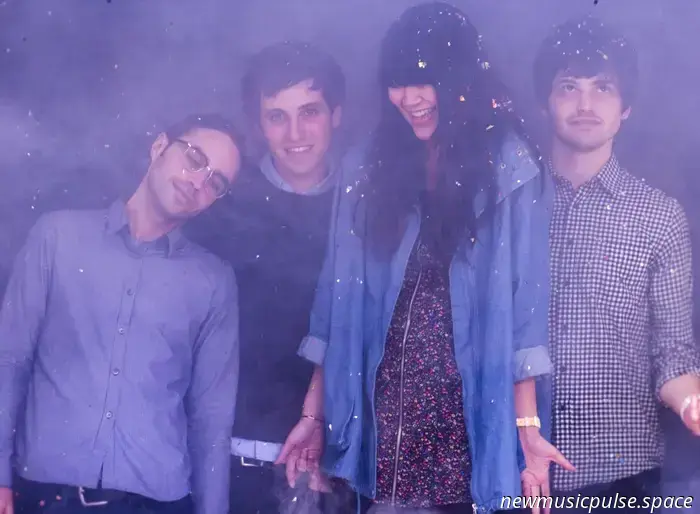
Live Report: The Pains Of Being Pure At Heart – Garage, London

Live Report: The Pains Of Being Pure At Heart – Garage, London

Memory often deceives us. For this writer, The Pains Of Being Pure At Heart's first album is truly a record tied to a specific time and place, embodying indie pop.

O.P. Jewellery and Ragnar Persson Commemorate the Historic Mythology of the Magpie

O.P. Jewellery and Ragnar Persson Commemorate the Historic Mythology of the Magpie

The Stockholm-based jewellery brand O.P. Jewellery has introduced its latest collection, created in collaboration with fellow artist Ragnar Persson, also based in Stockholm.

Tokyo’s hydrogen Crown program is receiving initial feedback as the sedan is introduced into taxi and police service. Toyota plans to deploy 200 Crown FCEV taxis in Tokyo by 2026. The Fukushima police force is utilizing a hydrogen Crown that was launched last year. Both versions maintain the original FCEV configuration, featuring a rear-mounted electric motor. The Crown Sedan FCEV made its introduction in 2023, becoming Toyota's second hydrogen-powered production vehicle after the Mirai. This model is part of the company’s broader initiative to expand alternative-fuel mobility and hints at the potential of hydrogen for everyday transportation beyond specialized uses. In addition to the passenger variant for Japanese consumers, Toyota has also created taxi and police car models, each aimed at testing the viability of hydrogen in practical, high-demand environments. Starting with the taxi version, a fleet of Crown Sedan FCEVs is already operating on Tokyo's streets, with plans to expand to approximately 200 units by March 2026. Each vehicle features a distinctive black exterior, blue graphics, and unique Tokyo H2 decals on the sides. The interior is fully equipped for taxi services, including an additional GPS system, a fare meter, and a clear barrier behind the driver’s seat. Passengers enjoy generous legroom, tablet-style screens mounted on the seatbacks, a separate touchscreen for climate controls in the central armrest, and seats equipped with a massage feature. Toyota recognizes that the FCEV’s length of 5,030 mm (198 inches) can make it somewhat cumbersome on narrow city roads, but asserts that this is compensated by smooth acceleration and a quiet, refined ride. Taxi drivers appear to agree, with one stating, “I’ve never driven a car this good before.” Taxi fares remain fixed at ¥500 ($3), the same as a standard Tokyo cab, making the hydrogen option a competitive alternative to the more prevalent Toyota JPN Taxi. According to Toyota, the taxi initiative is intended to “help explore the optimal balance of hydrogen supply and demand.” President and CEO Koji Sato described it as “a tremendous first step with meaningful implications for large-scale social implementation.” A Crown For The Police The initiative extends beyond taxis. In December 2024, Toyota unveiled a Crown Sedan FCEV police car designed for the Fukushima prefecture, a region impacted by the 2011 nuclear disaster. The patrol model features a striking black-and-white color scheme, equipped with roof-mounted strobe lights, bold "Police" lettering, and Mount Fuji-inspired graphics on the hood, replacing the standard Toyota badge with a gold emblem. Both the taxi and police models utilize the standard Crown Sedan FCEV powertrain. A rear-mounted electric motor generates 180 hp (134 kW / 182 PS) and 300 Nm (221 lb-ft) of torque, powered by a fuel cell from the Mirai. Hydrogen is stored in three high-pressure tanks, providing an impressive range of up to 820 km (510 miles) per refuel. For those who are skeptical about hydrogen, Toyota also offers a hybrid version of the Crown Sedan, which combines a 2.5-liter engine with dual electric motors.

Plain Mister Smith's "Andy Warhol" is a vibrant, energetic indie rock track that serves as a feel-good anthem, transforming our tumultuous inner turmoil into something lively, memorable, and completely refreshing.