
Music news
Deep Roots, Light Branches: An Interview with WOODZ

Deep Roots, Light Branches: An Interview with WOODZ

      Adapting to seasonal changes is something WOODZ has perfected. Born Cho Seungyoun in Seoul, he finds joy in representing the philosophy behind his stage name: “deep roots, light branches.” His journey has been anything but straightforward—traveling globally, confronting harsh realities, making tough choices, and, most importantly, persisting through challenges that ultimately led him to K-pop.

      By the time he speaks with Clash, he has experienced roughly 50 auditions, nearly 12 years in the industry, and three debuts, clearly indicating he has found his rhythm. The Seoul artist recently came back from an 18-month break for military service, during which his song ‘DROWNING’ captured the hearts of the Korean audience. His return was celebrated with numerous wins on music shows for the 2023 release, an extraordinary achievement for an older track. This phenomenon has prompted him to contemplate his future direction. “In the last three months, I’ve had a surge of thoughts because ‘DROWNING’ performed exceptionally well,” he shares with Clash. “During my time back, I’ve been incredibly busy…but I’ve also been very happy.”

      Reflection is vital for WOODZ. He expresses his views eloquently, infusing each thought with a unique interpretation—a direct manifestation of his creativity. His enthusiasm during our conversation is charming, and it quickly becomes apparent that music is at the center of his life. Yet, even after a decade, he remains an eager learner in his craft, recognizing both his progress and the journey ahead. “When I first debuted as UNIQ, I felt like a chick in an egg. Then with X1, I became a chick, and now, through various experiences, I feel like I’ve transformed into a hawk or an eagle.” He recounts the three significant phases that have shaped his idol career with admirable honesty and admits that initially, his desire to pursue music wasn't entirely grounded in practicality.

      “At the time I was chasing auditions, I thought I just liked music,” he reflects. From an outsider’s perspective, it was easier said than done, he later realized. “After going through songwriting and creating my own music, I understood that initially, jealousy fueled my motivation because I felt like ‘I can do that. I can be there. I can seize these opportunities and excel’—in a positive way.”

      With every changing season, WOODZ not only welcomes a new phase of artistry, but also adopts a more mature approach to life, especially starting his career at just 18. “Right now, challenging myself is my main motivation—and also responsibility,” he explains. While it’s easy to get caught up in everything, he remains humble, keeping an eye not just on himself but also on those around him, including his fans, staff, and production team.

      As he grows as an individual, he takes pride in pushing the boundaries of his musicianship. The world of WOODZ is rich and varied; he describes it as functioning like a hard drive. Although the singer WOODZ and the person Cho Seungyoun share many similarities, it’s their differing perspectives on life that set them apart.

      “When I think of Cho Seungyoun, I tend to channel all my pressure onto WOODZ,” he explains, analyzing the connection between the two identities. To him, Cho Seungyoun represents how he perceives and navigates the world, while WOODZ serves as the medium through which he expresses those insights. This differentiation allows him to lead a carefree life as an individual, but when it comes time to focus on music, he dives in wholeheartedly.

      WOODZ can’t escape music—or perhaps, music can’t escape him. Even during his break, distancing himself from the studio for an extended period proved challenging, leading to feelings of frustration. Part of that drive came from a sense of defiance. “While serving, I tried to maintain my artistic connection because I feel that if you’re forbidden from doing something, it only makes you want it more.”

      Despite this, he embraced these emotions in his comeback single ‘Smashing Concrete,’ with lyrics that embody this very sentiment. This release was soon followed by ‘I’ll Never Love Again,’ and together, these tracks vividly reflect the inner conflict he faced during his absence.

      Fortunately, he spent his enlistment in a military band, where he acquired several valuable skills. He explains that the significant difference was performing alongside others during that time. “The atmosphere I perform in now is quite different,” he shares, admitting that adjusting to solo performances has been a challenge.

      When performing in a group, harmony is essential; a single error can disrupt the entire group. As a solo artist, WOODZ becomes more attuned to the technical elements of his performances. “I’ve toured with my band before, so I must consider how my voice sounds in their in-ear monitors and other aspects—I need to hear my voice.”

      During his service,

Deep Roots, Light Branches: An Interview with WOODZ

Other articles

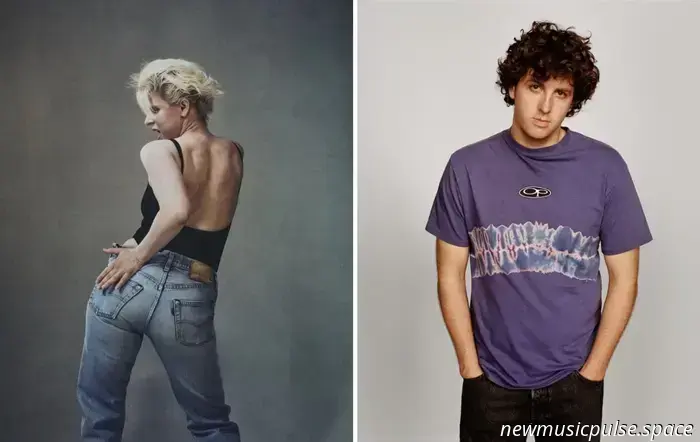
Jamie xx has remixed Robyn’s track ‘Dopamine’.

Jamie xx has remixed Robyn’s track ‘Dopamine’.

Jamie xx has remixed Robyn's 'Dopamine'. Released now, this is Jamie xx's first remix in three years, showcasing the English producer's creative experimentation.

Surprising Poll: 82% of Brits Support Israel's Exclusion from Eurovision

Surprising Poll: 82% of Brits Support Israel's Exclusion from Eurovision

A recent poll indicates that 82% of British individuals wish for Israel to be excluded from the Eurovision Song Contest. The nation's ongoing participation with the
Reading & Leeds reveals its 2026 rebranding along with a major headliners announcement.

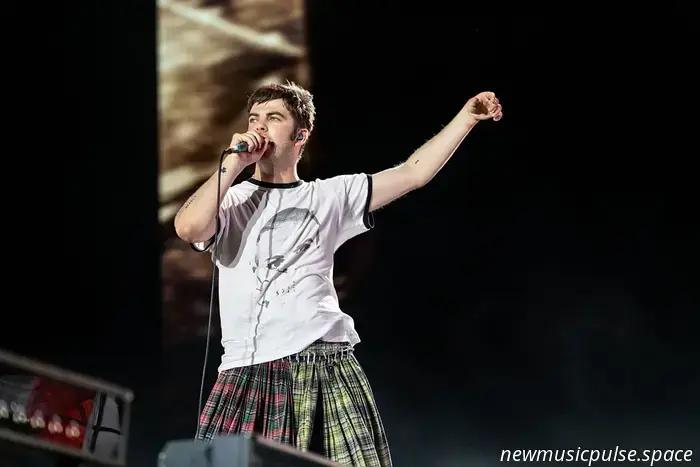
Reading & Leeds reveals its 2026 rebranding along with a major headliners announcement.

Next year, six impressive acts will headline the event, featuring Fontaines DC, Charli XCX, and Dave.
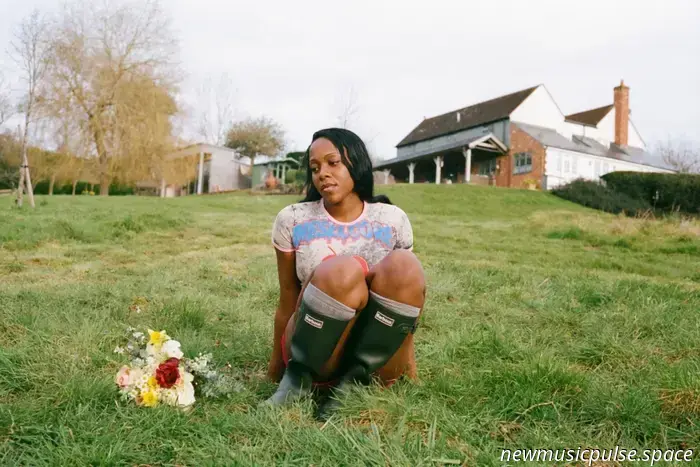
Rachel Chinouriri unveils the affectionate title track from her ‘Little House’ EP.

Rachel Chinouriri unveils the affectionate title track from her ‘Little House’ EP.

"I honestly never believed I could have these feelings for someone."
Finn Forster Discusses the Lasting Influence of Stereophonics

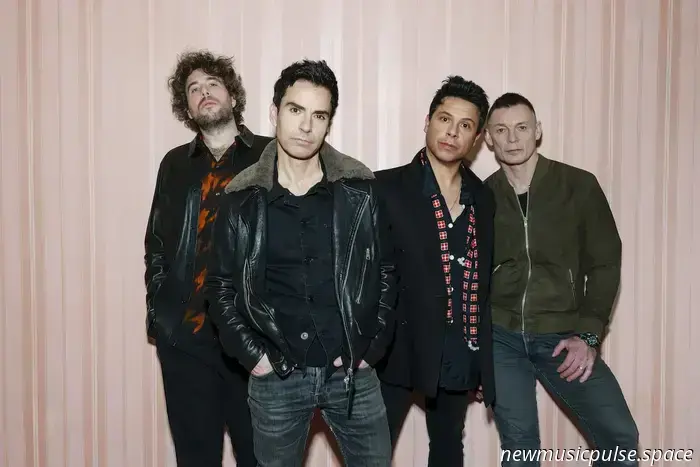
Finn Forster Discusses the Lasting Influence of Stereophonics

As he grew up in Middlesbrough, Finn Forster became accustomed to hearing Stereophonics all around him. The Welsh rock band, known as one of the nation's largest,
Tokyo’s hydrogen Crown program is receiving initial feedback as the sedan is introduced into taxi and police service. 

Toyota plans to deploy 200 Crown FCEV taxis in Tokyo by 2026. The Fukushima police force is utilizing a hydrogen Crown that was launched last year. Both versions maintain the original FCEV configuration, featuring a rear-mounted electric motor.

The Crown Sedan FCEV made its introduction in 2023, becoming Toyota's second hydrogen-powered production vehicle after the Mirai. This model is part of the company’s broader initiative to expand alternative-fuel mobility and hints at the potential of hydrogen for everyday transportation beyond specialized uses.

In addition to the passenger variant for Japanese consumers, Toyota has also created taxi and police car models, each aimed at testing the viability of hydrogen in practical, high-demand environments.

Starting with the taxi version, a fleet of Crown Sedan FCEVs is already operating on Tokyo's streets, with plans to expand to approximately 200 units by March 2026. Each vehicle features a distinctive black exterior, blue graphics, and unique Tokyo H2 decals on the sides.

The interior is fully equipped for taxi services, including an additional GPS system, a fare meter, and a clear barrier behind the driver’s seat. Passengers enjoy generous legroom, tablet-style screens mounted on the seatbacks, a separate touchscreen for climate controls in the central armrest, and seats equipped with a massage feature.

Toyota recognizes that the FCEV’s length of 5,030 mm (198 inches) can make it somewhat cumbersome on narrow city roads, but asserts that this is compensated by smooth acceleration and a quiet, refined ride. Taxi drivers appear to agree, with one stating, “I’ve never driven a car this good before.”

Taxi fares remain fixed at ¥500 ($3), the same as a standard Tokyo cab, making the hydrogen option a competitive alternative to the more prevalent Toyota JPN Taxi.

According to Toyota, the taxi initiative is intended to “help explore the optimal balance of hydrogen supply and demand.” President and CEO Koji Sato described it as “a tremendous first step with meaningful implications for large-scale social implementation.”

A Crown For The Police

The initiative extends beyond taxis. In December 2024, Toyota unveiled a Crown Sedan FCEV police car designed for the Fukushima prefecture, a region impacted by the 2011 nuclear disaster.

The patrol model features a striking black-and-white color scheme, equipped with roof-mounted strobe lights, bold "Police" lettering, and Mount Fuji-inspired graphics on the hood, replacing the standard Toyota badge with a gold emblem.

Both the taxi and police models utilize the standard Crown Sedan FCEV powertrain. A rear-mounted electric motor generates 180 hp (134 kW / 182 PS) and 300 Nm (221 lb-ft) of torque, powered by a fuel cell from the Mirai.

Hydrogen is stored in three high-pressure tanks, providing an impressive range of up to 820 km (510 miles) per refuel.

For those who are skeptical about hydrogen, Toyota also offers a hybrid version of the Crown Sedan, which combines a 2.5-liter engine with dual electric motors.

Tokyo’s hydrogen Crown program is receiving initial feedback as the sedan is introduced into taxi and police service. Toyota plans to deploy 200 Crown FCEV taxis in Tokyo by 2026. The Fukushima police force is utilizing a hydrogen Crown that was launched last year. Both versions maintain the original FCEV configuration, featuring a rear-mounted electric motor. The Crown Sedan FCEV made its introduction in 2023, becoming Toyota's second hydrogen-powered production vehicle after the Mirai. This model is part of the company’s broader initiative to expand alternative-fuel mobility and hints at the potential of hydrogen for everyday transportation beyond specialized uses. In addition to the passenger variant for Japanese consumers, Toyota has also created taxi and police car models, each aimed at testing the viability of hydrogen in practical, high-demand environments. Starting with the taxi version, a fleet of Crown Sedan FCEVs is already operating on Tokyo's streets, with plans to expand to approximately 200 units by March 2026. Each vehicle features a distinctive black exterior, blue graphics, and unique Tokyo H2 decals on the sides. The interior is fully equipped for taxi services, including an additional GPS system, a fare meter, and a clear barrier behind the driver’s seat. Passengers enjoy generous legroom, tablet-style screens mounted on the seatbacks, a separate touchscreen for climate controls in the central armrest, and seats equipped with a massage feature. Toyota recognizes that the FCEV’s length of 5,030 mm (198 inches) can make it somewhat cumbersome on narrow city roads, but asserts that this is compensated by smooth acceleration and a quiet, refined ride. Taxi drivers appear to agree, with one stating, “I’ve never driven a car this good before.” Taxi fares remain fixed at ¥500 ($3), the same as a standard Tokyo cab, making the hydrogen option a competitive alternative to the more prevalent Toyota JPN Taxi. According to Toyota, the taxi initiative is intended to “help explore the optimal balance of hydrogen supply and demand.” President and CEO Koji Sato described it as “a tremendous first step with meaningful implications for large-scale social implementation.” A Crown For The Police The initiative extends beyond taxis. In December 2024, Toyota unveiled a Crown Sedan FCEV police car designed for the Fukushima prefecture, a region impacted by the 2011 nuclear disaster. The patrol model features a striking black-and-white color scheme, equipped with roof-mounted strobe lights, bold "Police" lettering, and Mount Fuji-inspired graphics on the hood, replacing the standard Toyota badge with a gold emblem. Both the taxi and police models utilize the standard Crown Sedan FCEV powertrain. A rear-mounted electric motor generates 180 hp (134 kW / 182 PS) and 300 Nm (221 lb-ft) of torque, powered by a fuel cell from the Mirai. Hydrogen is stored in three high-pressure tanks, providing an impressive range of up to 820 km (510 miles) per refuel. For those who are skeptical about hydrogen, Toyota also offers a hybrid version of the Crown Sedan, which combines a 2.5-liter engine with dual electric motors.

Plain Mister Smith's "Andy Warhol" is a vibrant, energetic indie rock track that serves as a feel-good anthem, transforming our tumultuous inner turmoil into something lively, memorable, and completely refreshing.

Deep Roots, Light Branches: An Interview with WOODZ

WOODZ has truly excelled at embracing seasonal changes. The Seoul native, known as Cho Seungyoun, has discovered satisfaction in representing the