I grew up without an older sister, yet I found a companion, a confidante, and a gentle mentor in the silver threads of Taylor Swift’s songs, guiding me through the complex journey of growing up.
Stream: “Style” – Taylor Swift
During my adolescent loneliness, I would listen to a Taylor Swift CD for company. Being the eldest daughter and the oldest of four children, I lacked an older sibling to depend on. No one to help me understand heartbreak, no one to offer quiet advice during meals, no one to share the thrill of experiencing my first crush or heartbreak. For some young girls, that role is assumed by a favorite teacher, a character from a story, or a diary entry. For me, it was a blonde teenager with a guitar and a spiral-bound notebook whose voice resonated in my bedroom long before I could express feelings of loneliness. As the oldest daughter, I felt responsible, self-sufficient, and too quickly acquainted with the expectation of being “fine.” Taylor Swift filled that emptiness. She was my company in the quiet moments between schoolwork and emotional turmoil, and she has remained with me ever since. Her songs became more than just music; they turned into confidants, mentors, and reflections of who I was becoming.
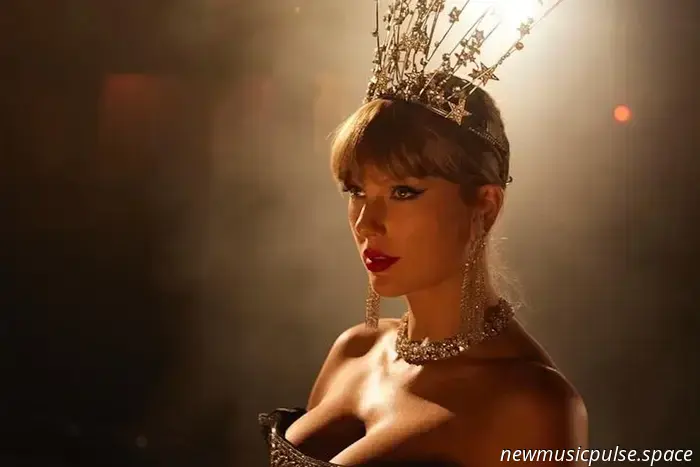
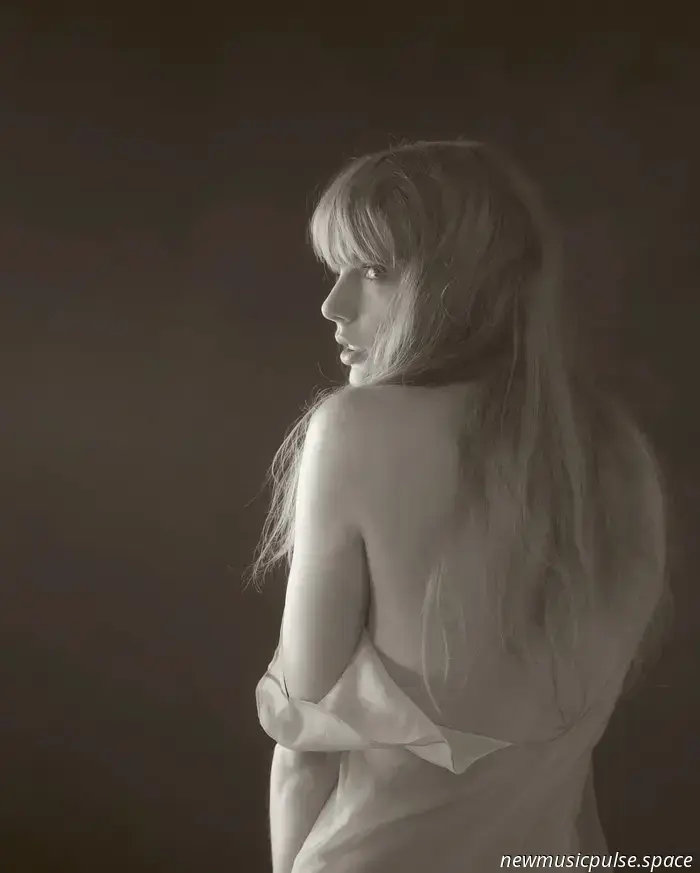
Taylor Swift © Beth Garrabrant
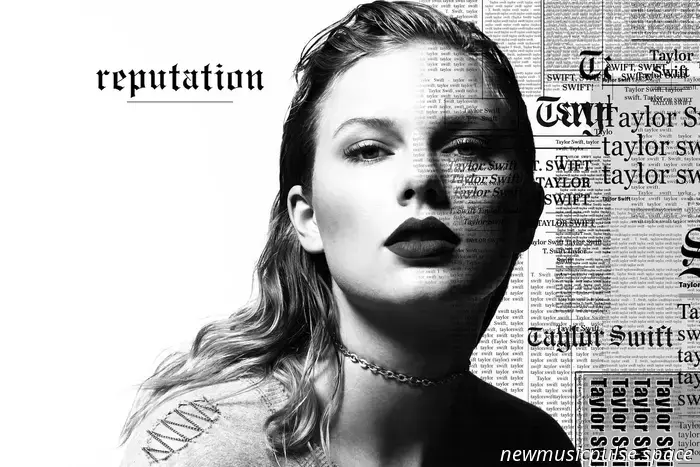
There exists a unique intimacy within her songwriting that transcends genres and decades while chronicling personal growth. Swift’s body of work is not just a collection of albums; it is a map of my life. Each album marks significant moments, encapsulating the joys, anxieties, heartbreaks, and triumphs that came with growing up. Taylor Swift (2006), a gift from my father that unknowingly changed my life; Fearless (2008), filled with the sound of youthful hope before challenges emerged, adorned with glitter-pen dreams, instilling optimism and idealistic hope; the raw emotions in Speak Now (2010) inspired me to write amidst the insecurities of adolescence; Red (2012) was heartbreak in vibrant colors I wasn’t ready for but knew I would face someday; the uncertain bravery of 1989 (2014) illuminated the excitement of transformation during my last school year, portraying the bright future of adulthood; Reputation (2017) was loud, bold, yet profoundly vulnerable; Lover (2019) provided the courage I needed to release my poetry collections; Folklore and Evermore (2020) captured the solitude of the COVID-19 era; Midnights (2024) embodied late-night reflection and self-portraiture in synth and raw introspection; and The Tortured Poets Department (2025) solidified her reputation as a masterful storyteller. These albums represent not only the evolution of sound but also my personal evolution.
As I matured, so did she, although her development was under the watchful gaze of millions, critiqued in real-time, analyzed like sacred text by critics who often seemed to hold young women to different standards than young men. Swift built a career on the bold assumption, groundbreaking in an industry that traditionally uplifts male narratives, that the inner lives of young women are significant.
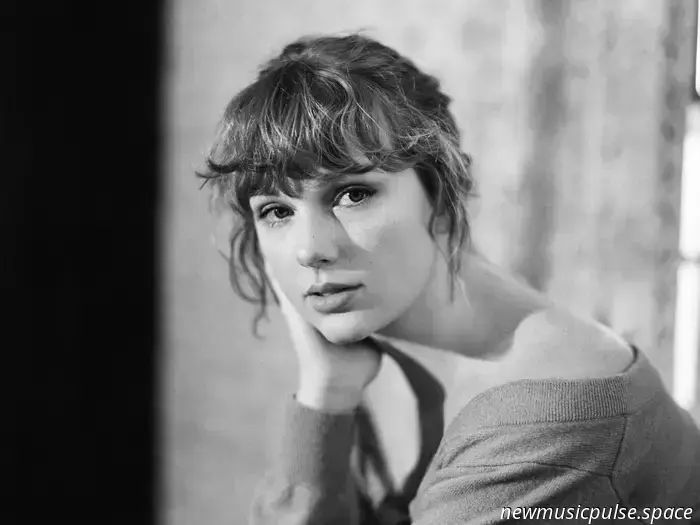
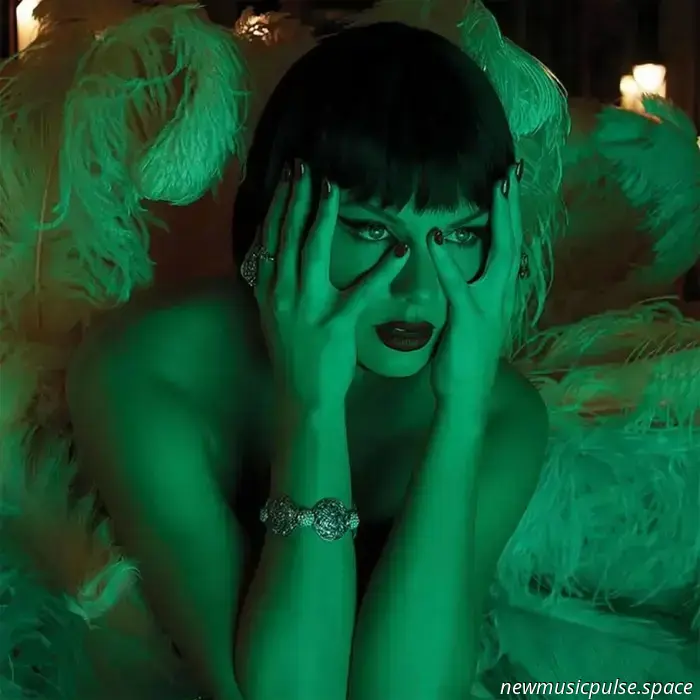
Taylor Swift ‘evermore’ © Beth Garrabrant
Yet, Swift's path has not been free from resistance. Female pop singers face scrutiny that their male counterparts rarely experience. The themes she tackled in songs like “Dear John” or “Back to December,” reflecting on love and introspection, were publicly analyzed and trivialized, reduced to jokes at award shows and tabloid gossip. Male musicians can release albums filled with romantic sorrow or self-mythologizing without being labeled as “confessional,” “dramatic,” or “a pick-me.” Instead, they are often regarded as storytellers or poets. When Drake puts out a mediocre project, discussions focus on its production and beats. When Swift releases an album, social media quickly evaluates not just the music but also her character, romantic history, and self-worth. She has often been labeled confessional, immature, or excessively personal.
When a woman narrates her life, it invites others to rewrite it for her. Swift anticipated this treatment long before she learned to confront it publicly. In her early days, she was framed as America’s sweet media darling—fresh-faced, thankful, and sincere. A “nice girl.” A “good girl.” A “safe girl.” But safety can inhibit.
This predicament is not new; however, Swift's artistry has shed light on this bias for a broad audience by sheer volume. Each album release sparks discussions that reveal the fractures in modern music criticism: Conversations that start with aesthetic assessments quickly shift to evaluations of her personality, dating history, or public demeanor—types of scrutiny seldom directed at her male colleagues. Swift does not require protection, but the discourse around her work reflects who the industry deems worthy of validation.
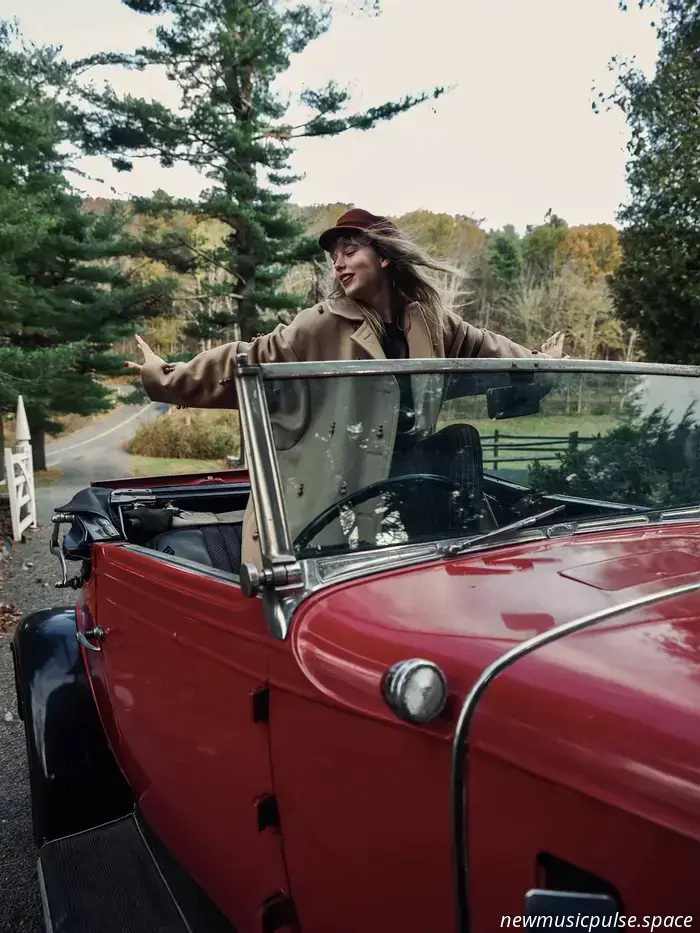
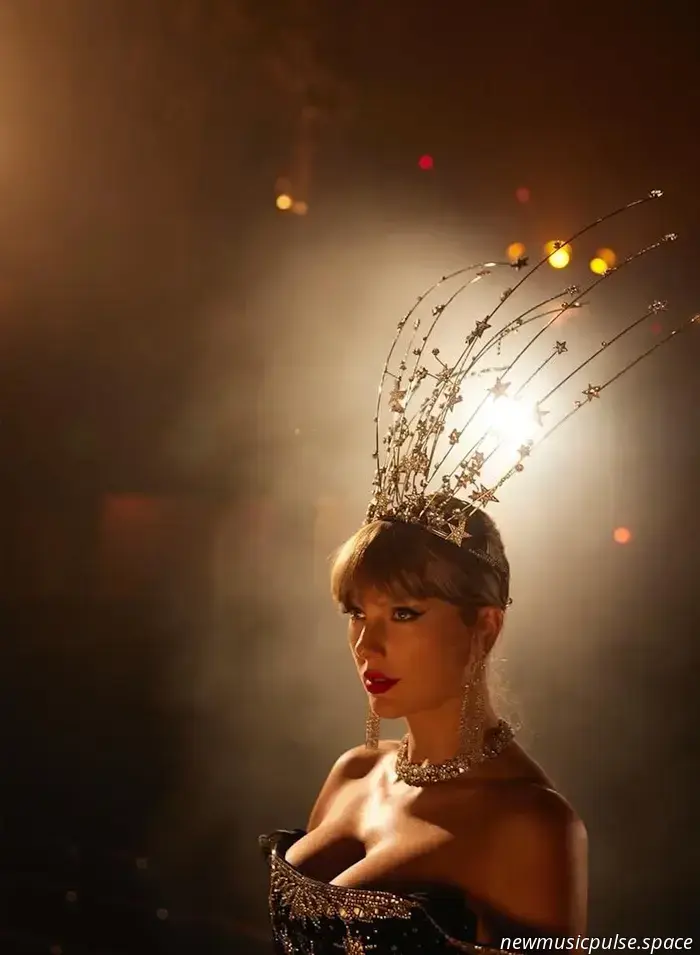
Taylor Swift © Beth Garrabrant
Such resistance has only reinforced her determination
I was raised without an older sister, but in the shimmering lyrics of Taylor Swift’s songs, I discovered a friend, a confidante, and a subtle guide navigating the complexities of coming of age.