In recognition of Women’s History Month, Atwood Magazine is featuring a series of essays from artists reflecting on themes of identity, music, culture, inclusion, and more.
•• •• •• ••
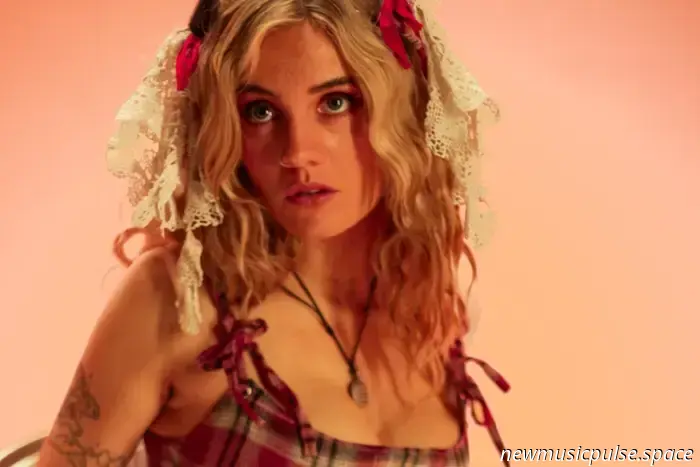
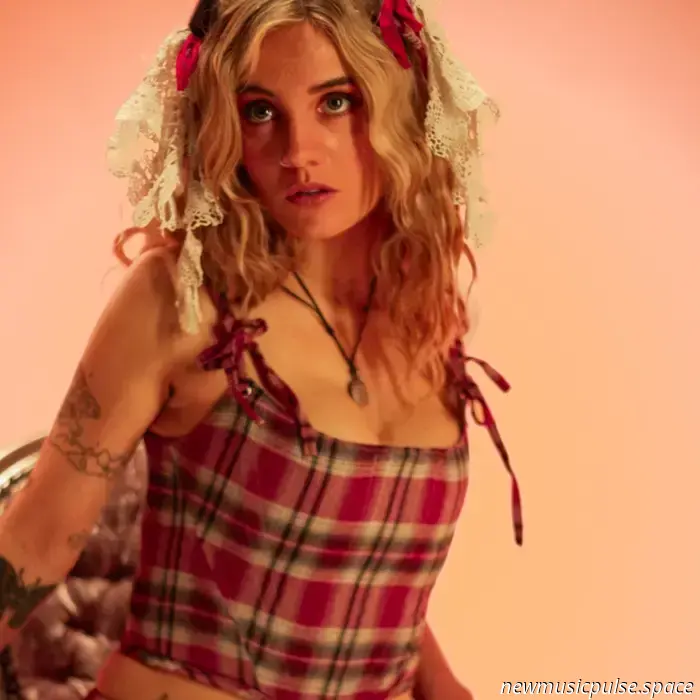
Today, the emerging Welsh artist Mali Hâf discusses how her latest single reinterprets the Welsh National Anthem, shifting the viewpoint to celebrate and acknowledge the contributions of women, in a special essay for Atwood Magazine’s Women’s History Month Series!
Originating from Cardiff, Wales, Celtic Soul singer/songwriter Mali Hâf aims not only to entertain but also to challenge and reshape the global perception of Welsh culture. She is determined to dismantle stereotypes and showcase the vibrant diversity of her homeland through innovative, contemporary sounds. Her recent single “H.W.F.M,” released on March 7th, represents a bold feminist reimagining of the Welsh National Anthem, “Hen Wlad Fy Nhadau” (Old Land of My Fathers), reinterpreted as the ‘Old Land of My Mothers.’
Playfully paying tribute to the original anthem, the song delves deeper, conveying a sincere desire for Wales (and all countries) to be true havens of equality and nurturing spaces for all. It encourages listeners to move past traditional gender roles and stereotypes, advocating for empathy, care, and compassion as the core values of a nation.
You can listen to “H.W.F.M” on your preferred music streaming platform, and read Mali Hâf’s Women’s History Month essay below!
•• ••
A Song for Women in Wales & Everywhere
by Mali Hâf
“Hen Wlad Fy Mamau” serves as the hook and title for my latest single. It’s a reinterpretation of the Welsh national anthem, Hen Wlad Fy Nhadau – meaning “Land of My Fathers.”
However, in my version, I change it to “Land of My Mothers.”
If you’ve ever encountered a Welsh person, you’ll quickly recognize that they are not English! Our pride runs deep. We even have a term in Cymraeg, “hiraeth,” which describes the longing for our homeland—a sentiment only another Welsh person can fully grasp.
Yet, Wales is not solely a land of song and poetry; it is also the poorest of the four UK nations. This exploitation and hardship have shaped our identity. (Just so you know, I don’t subscribe to the notion that the Welsh government over the last 25 years is at fault; it stems from 200 years of resource exploitation and social neglect!) I’d like to believe it has cultivated a society that prioritizes support for the vulnerable and social equity. That’s why, when I sing in Welsh, those profound values resonate through my music.
However, despite my deep love for my country, I’ve had to question: If I am so proud of Wales, is Wales proud of me? Is it a safe and equitable place for women and those who are vulnerable?
Mali Hâf © 2025
Reality for a Welsh Woman:
I wish I could say that being a woman in Wales resembles something from Tolkien’s stories: wandering through enchanting hilly landscapes like elves with flowers in our hair, revered for being remarkable and strong mothers. At times, caught up in my own fantasies, it can feel that way. But mostly, it doesn’t, nor has it ever.
I was born and raised in Cardiff. Occasionally, to impress my Mamgu (Grandma), I’d put on a West Wales accent to make her proud. But it’s southeast Wales that has shaped me, and my experiences as a woman here have been far from magical.
Growing up in this city was anything but safe. I’ve been chased down alleys, had to hide in parks, endured revenge porn, sexual assault, and, sadly, the nightmare of organized rape. My teenage years and early womanhood… like those of countless girls I know… were not moments to celebrate.
Even in my early twenties, while working in childcare, I witnessed mothers dropping their children off at nursery with black eyes and bruises on their faces. More times than I can count.
I don’t easily allow myself to feel anger. I suppress it. I’ve always been seen as relaxed, whimsical, and cheerful, and I suppose I don’t want to lose others’ admiration for that. But when I write songs and step onto a stage to perform… that’s when I can express it. Safely. Purposefully. Creatively.
Mali Hâf © 2025
Wales and Women’s Rights: Where Are We Now?
This song emerged from frustration, contemplation, and hope. While I deeply love my country, I cannot overlook its contradictions. We take pride in our Welsh identity, but can we genuinely feel proud if we ignore inequality, persistent high rates of domestic violence, ineffective responses from society, and the tolerance of sexually aggressive behavior among teenagers? The issues I’ve highlighted are sources of shame
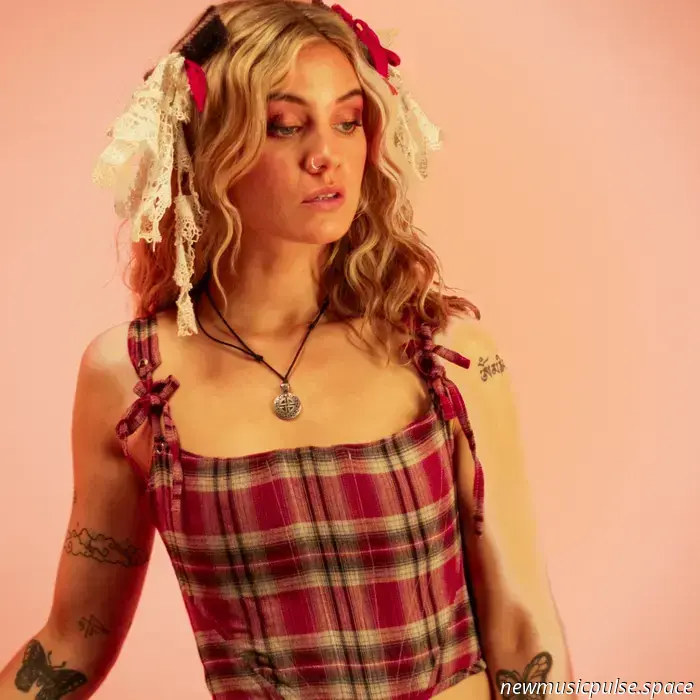
Welsh emerging talent Mali Hâf discusses how her new single reinterprets the Welsh National Anthem, shifting the viewpoint to recognize and celebrate the roles of women, in a unique essay for Atwood Magazine’s Women’s History Month Series!