
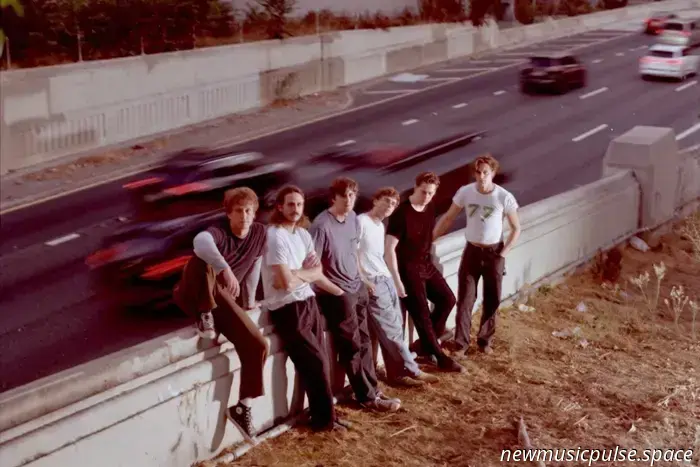
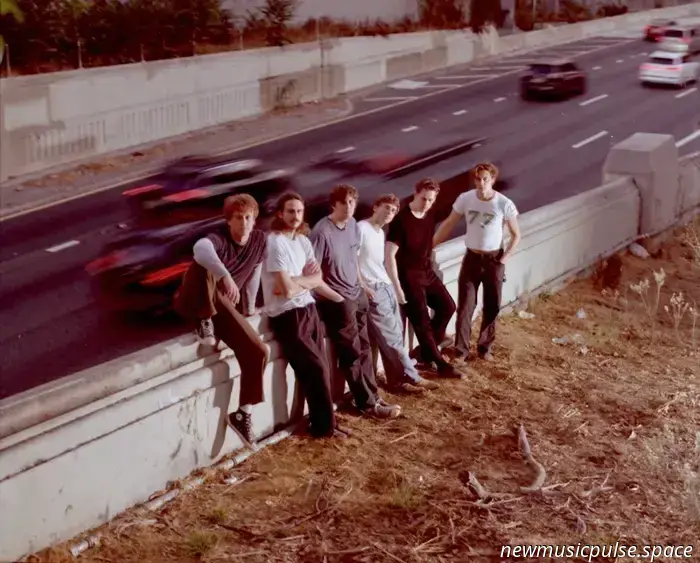
LA indie rock group Dutch Interior transforms a discreet obsession into a collective experience with "Play the Song," a subtly moving reflection on the enduring, nurturing essence of music and the tunes that resonate long after the final note has died away.
“Play the Song” – Dutch Interior
“I can’t go on without it. I will scream and shout it…”
From its initial note, Dutch Interior’s “Play the Song” embodies soul-stirring alt-folk at its best: gentle, poignant, and smoldering – a daydream suspended between memory and harmony, radiating warmth and humanity. The latest single from the LA band feels alive, nurturing, and tender, infusing the quiet spaces in your life with light. It’s one of those small wonders that brings happiness to any environment.
What strikes the hardest is the acoustic guitar riff – ethereal, mesmerizing, and effortlessly emotional – a progression that ignites a spark in your heart without ever raising its voice. It’s fragile, but it carries depth; it occupies space. This restraint becomes its strength. It's the ideal medium for Noah Kurtz to divulge his emotions, intertwining sentiment and melody into something softly transcendent. Every strum feels like a forward step, every transition like a heartbeat, every line like a hand reaching out in the darkness.
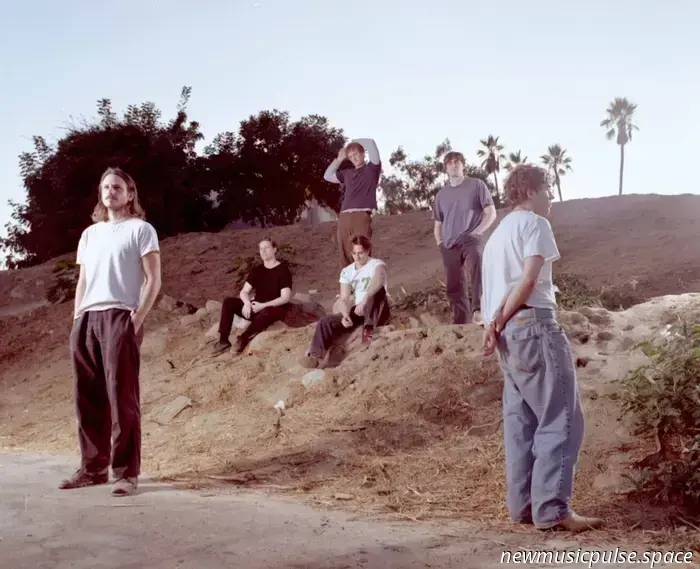
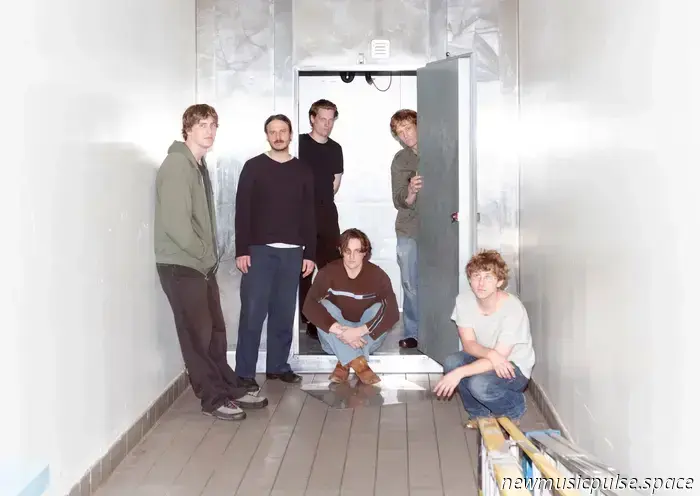
Released in late October, “Play the Song” marks Dutch Interior’s first single since their acclaimed third album Moneyball, which merged slowcore, folk, and experimental indie rock into an expansive tapestry. Composed of lifelong friends from Los Angeles and Long Beach, Dutch Interior is a band built on time, trust, and shared intuition. This LA County sextet – Jack Nugent, Conner Reeves, Davis Stewart, Noah Kurtz, and siblings Shane and Hayden Barton – formed more as an organic endeavor than a strict project, influenced by years of intersection, separation, and reunion. Their songs often begin in solitude, individually penned before being handed over to the group, where they are collaboratively transformed into something collectively cherished. That equilibrium between personal expression and communal essence has become the band’s defining voice: music that feels intentional yet fluid, emotionally nuanced without rigidity, tied together by a shared internal logic that requires no elaboration.
On Moneyball, that methodology solidified into the band’s most expansive and confident work to date – a record that embraced restraint as a virtue, intimacy as a shared experience, and collaboration as its quiet driving force. It was an album that felt lived in, even as it propelled outward, exploring the tension between closeness and distance, instinct and purpose, past identities and emerging futures. Seven months later, the band’s connection to that record feels vibrant and evolving: “Songs are like living entities, evolving and revealing new facets as time progresses and circumstances change,” they share with Atwood Magazine. They take pride in where Moneyball has positioned them – both artistically and publicly – but they’re already anticipating the future, chasing the next inspiration. You can sense that forward trajectory in their new track: A fresh tenderness, a new clarity, along with a subtle sense of wonder.
“Play the Song” originated from a pure curiosity – Noah Kurtz's intrigue about why some songs resonate profoundly. “I’ve always wondered why certain songs have that sticky quality, and why they evoke an instant bond and obsession,” he explains. “I wrote it quite quickly one evening… it’s amusing to craft a song about a song.” That blend of lightness and yearning pervades every lyric: Play the song, the only one I can sing along to… cherishing each gentle strum. It’s about attachment as solace. It’s about the addiction to emotion, familiarity, and the unique comfort of a melody that meets you exactly as you are.
They describe the track as “an homage to those songs that come around occasionally and capture you in a specific yet unexplainable way” – the ones you play repeatedly, transforming into memory, muscle, and ritual. The band confesses that their latest obsession was Horse Jumper of Love’s “Gates of Heaven,” a song that alters your mood simply by its presence. In that same vein, “Play the Song” encapsulates the tenderness and enigma of musical attachment – the magic of sound evolving into something you depend on; a feeling you can’t release.
As is typical with Dutch Interior, there’s a shared intimacy at the core: “Each member separately composes songs before passing them to the band to mold into something collectively embraced,” they elaborate. That mutual trust imbues the music with vitality; you can perceive it in the song’s sway, breath, and settling. It’s a group exhalation, a collective stillness, a composition that feels familiar even on a first listen, as it continues to evolve.
By the time the chorus returns – gentle, yearning, patient – the song has already accomplished its task. It has embraced you, uplifted you, provided
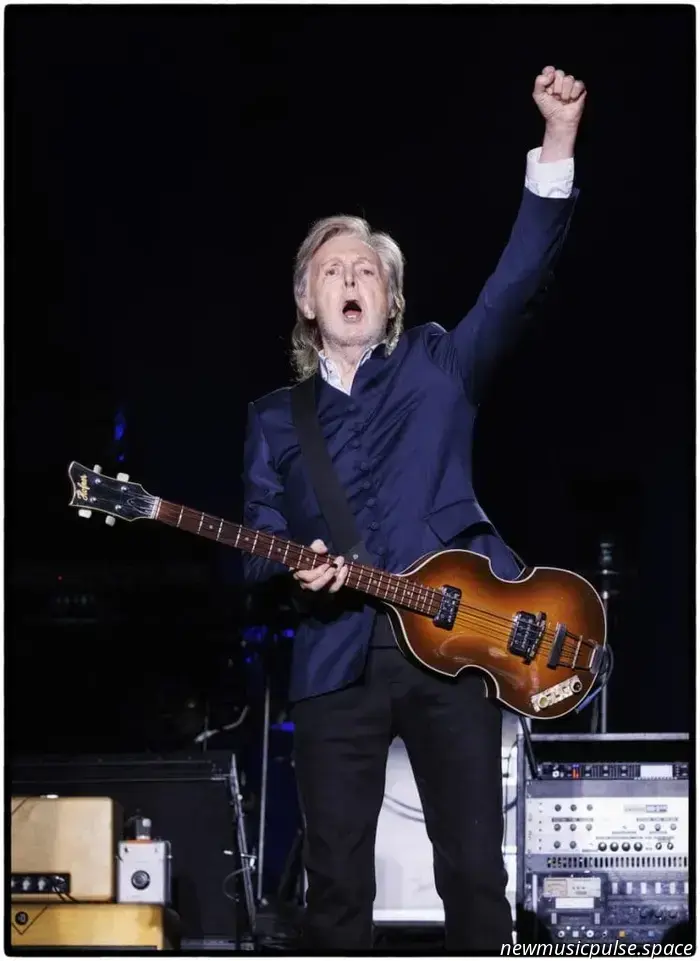
Paul McCartney has acknowledged the shutdown of the German instrument maker Höfner. The company announced this week that it would be ceasing operations.

The Flaming Lips appear to have separated from their longtime guitarist Steven Drozd. He has been a crucial part of the band for more than three decades.


Combining pop energy with a punk spirit, Chris Comstock and Jake Torrey of Underbrook speak with Atwood Magazine about subculture, authenticity, and their first EP, ‘Was Happiness Too Boring For You?’
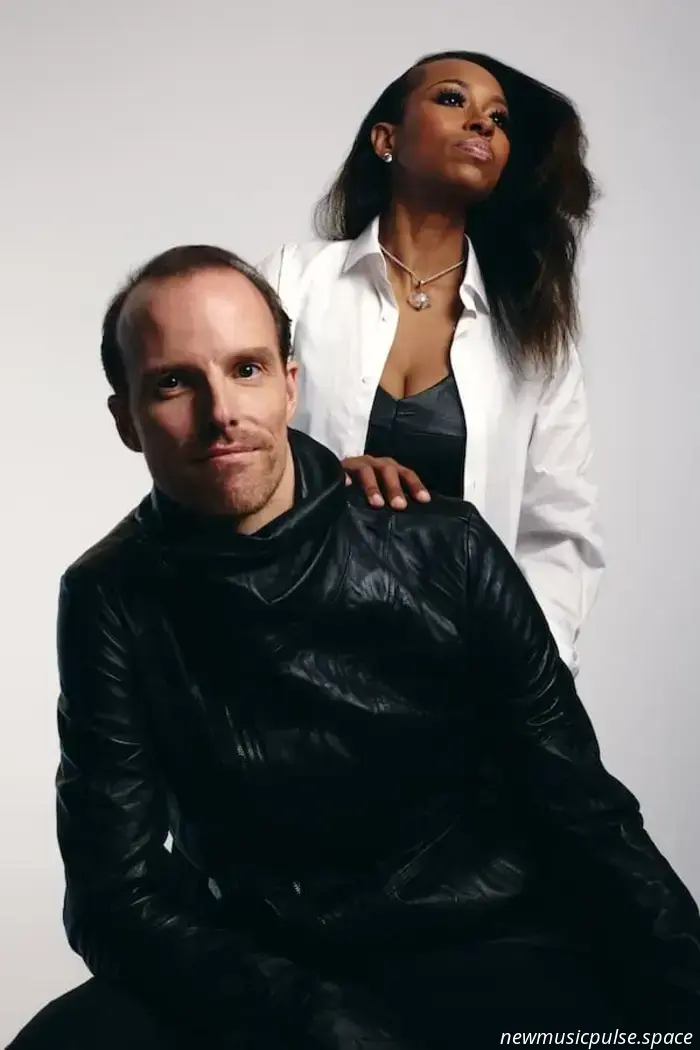
The Berlin duo ELEDA has released a new single titled 'Believe'. Available now, this release comes after their 'Alpha' EP in 2024, a project that solidified their ethereal sound.
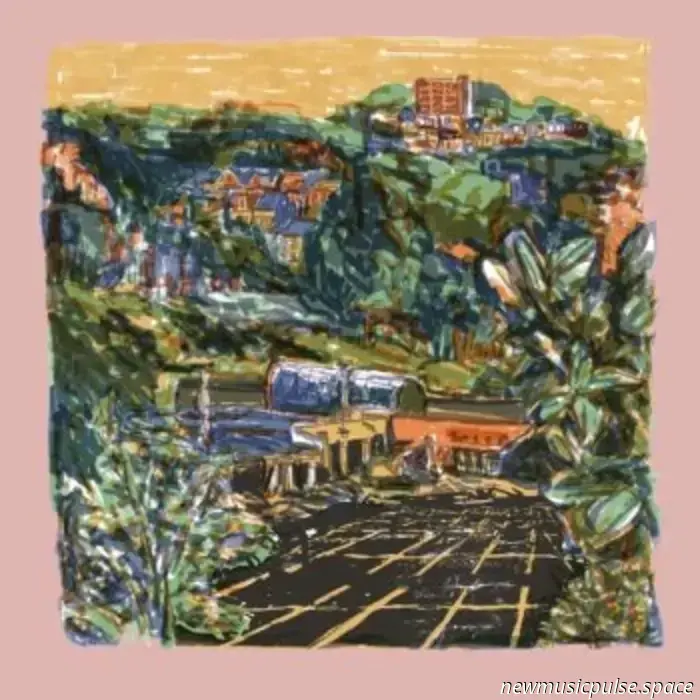
Stevie Knipe shares their experience of living with cancer, expressing emotions that they previously felt unable to articulate through song. The creation of Adult Mom's candid and unfiltered fourth album, ‘Natural Causes,’ emerges as a deeply affecting work influenced by illness, resilience, and the hard-fought right to communicate openly without hastening towards closure.
LA indie rock group Dutch Interior transforms a personal fixation into a collective experience with “Play the Song,” a gently evocative reflection that highlights the enduring, uplifting influence of music – and the tunes that linger with us long after they’ve ended.