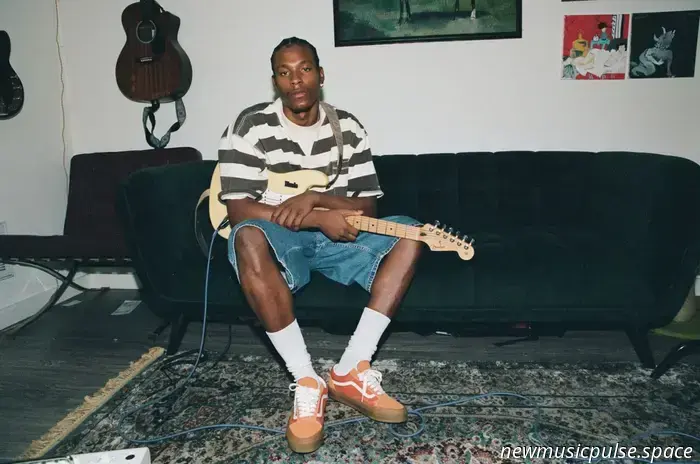
Brandon Banks is truly a man of the people, moving with purpose in every note and word. Since his 2018 debut, the Los Angeles native has cultivated a unique blend of RnB influenced by early SoundCloud works, along with character-defining EPs like ‘Tides’ and ‘Static’.
His latest 2-track EP, ‘Sonnets’, captures Banks in a powerful stream of consciousness, immersing listeners in a lo-fi dream world where time slows down. This release centers on the recurring theme of seeking solace from chaos, interwoven with deep introspection reflected in each melodic phrase.
In a conversation with CLASH, the Grammy-nominated artist shares insights into his beginnings, the challenges and advantages of being an independent musician, his experiences writing for Charlotte Day Wilson, and the importance for Black male artists to express their truths and vulnerabilities.
—
—
Could you share about your early connection to music? What did you listen to growing up, and what drew you to music as a way to express yourself?
My parents played a lot of oldies at home, artists like Prince, D’Angelo, Mary J. Blige, and The Temptations—all the legends! It’s amusing because back then, I'd ask for Lil Wayne, but now I truly appreciate that music.
I was also really passionate about poetry as a child. I discovered my first poetry book by Langston Hughes at nine, and that sparked my writing journey—poems turned into songs. I penned my first song at 12, inspired by Mario's ‘Let Me Love You’. Growing up in tough circumstances, music became my escape. I wrote songs that reflected beauty, allowing me to channel my pain into something positive.
How did you transition from creating music for your own peace to sharing it with the world?
It started in high school. I was friendly with everyone, including a white guy named Justin who endured bullying. I stood by him since I could fight. He brought his guitar to school, so I took mine to learn from him. This led me to explore YouTube, which enhanced my songwriting skills.
How did your sound evolve from there?
It was during my first management phase. Initially, I thought music was just about dancing. My manager heard me strumming my guitar during sessions and asked about it. I explained it was a song I wrote, and he urged me to pursue it. I hesitated because I thought no one would want to hear my deepest feelings, but he encouraged me to share my vulnerability. That was a turning point that shaped my first project, ‘Tides’, which felt very healing for me.
Your vulnerability is central to your artistry. Tracks like ‘Slow Down’, ‘Slowyaroll’, and ‘Balance’ emphasize the importance of self-care. How crucial is it for you to take time to slow down and check in with yourself?
I’ve realized that stillness is paramount. I dislike making decisions in a frantic or angry state. I often had to make quick decisions out of necessity growing up—I was always in survival mode. Because of that, I write a lot about nature; it’s my true sanctuary for peace and clarity. Much of my music is me reflecting on my thoughts, which I find essential. You won't notice the clouds moving unless you stop and look up, so I strive to do that. It allows me to make sound decisions.
As an emerging artist, existing in a perpetual state of survival can be incredibly frustrating. You can hear that tension in tracks like ‘C&C’, ‘Blues’, and ‘Spirit’. What changes need to occur to better support artists facing similar challenges?
The foremost need for artists is fair compensation. A million streams only yields $4,000, which is absurd compared to a million single sales in the past being worth $1,000,000. There needs to be substantial legislation around this. Art has been commodified and devalued; people often don’t take it seriously. However, art is essential for humanity. What is a commercial without music? What’s a film without sound? Music permeates every aspect of life, be it in songs, design, or literature. It deserves recognition.
Capitalism and creativity are inherently at odds. Naturally, we’re capitalists since we need to generate income to survive, but that contradicts creativity. Traveling between hustle mode and finding stillness for creation feels counterintuitive amidst a rat race. That’s what ‘C&C’ (Capital & Conflict) addresses—capitalism thrives on conflict, which breeds an internal clash.
How are you negotiating this as an independent artist?
I don’t compromise my integrity. I ensure I execute my vision to the best of my abilities, acquiring knowledge along the way and utilizing available resources to follow through. After dropping out from a track scholarship to pursue music, I set goals for my project, detailing the number of songs, video ideas, and my motivations.
However, a livable
If there is a counterargument to the alleged decline of music journalism, it is the significant increase in the popularity of music literature. When CLASH was younger - around

The highly mythologized early years of Bob Dylan have gained significant attention in 2025, thanks to the praised biopic A Complete Unknown and a thorough, immensely gratifying
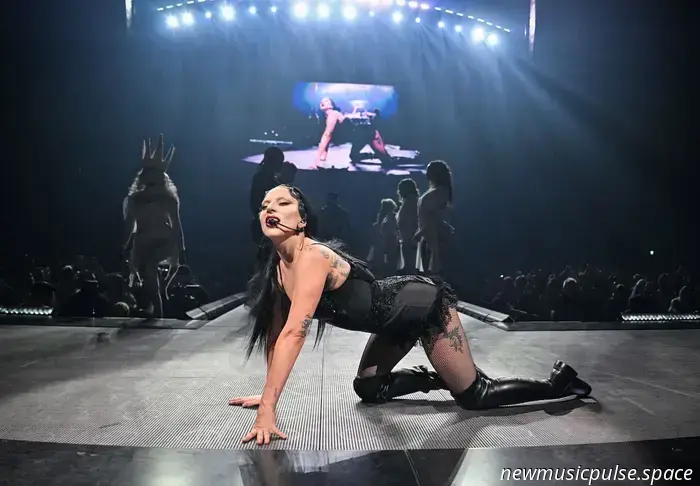
Lady Gaga will premiere her new concert film 'Harlequin' during the Christmas season. The pop star is set to release 'LADY GAGA IN HARLEQUIN LIVE - ONE NIGHT ONLY' on YouTube.
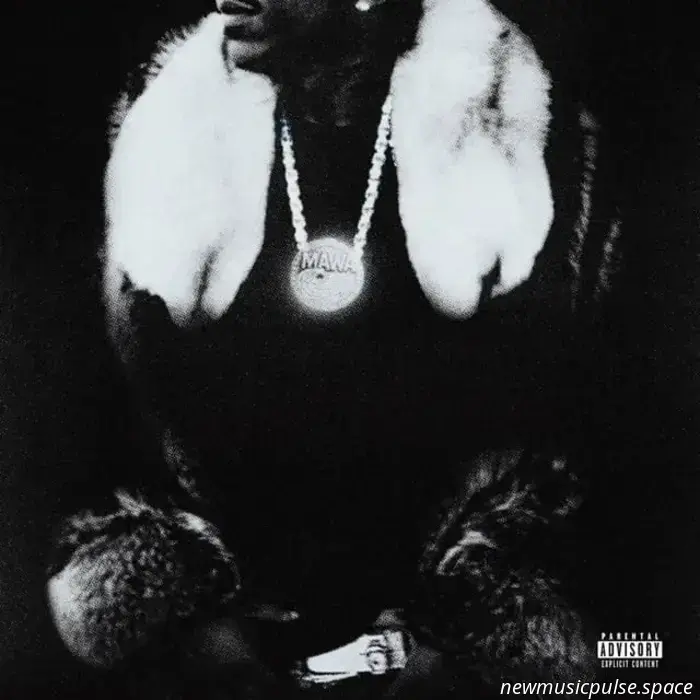
Max B has unveiled his latest mixtape, 'Public Domain 7: The Purge'. This new project marks the rapper's first release following his time in prison, where he served a 16-year sentence.
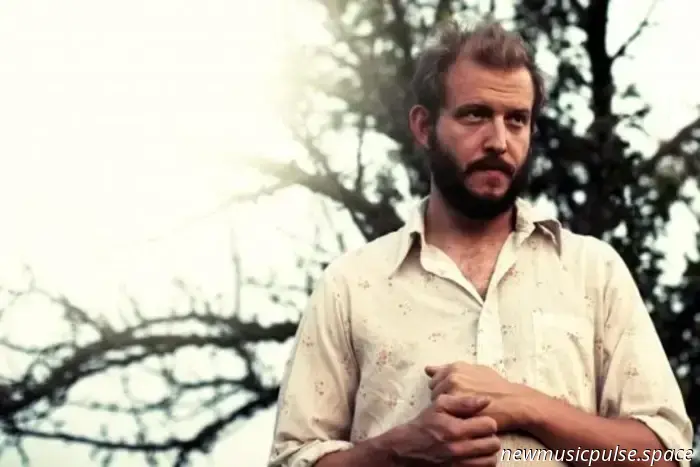
Bon Iver, Aaron Dessner from The National, and Gracie Abrams have released a new track titled 'Sold Out'. The song is currently available on Bandcamp, with all proceeds designated for
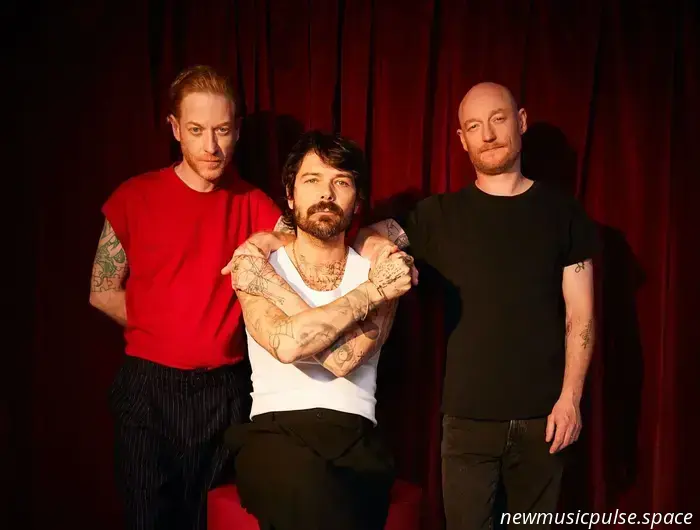
Here’s a confession from a journalist: you can never be certain about how an interview will turn out. Despite all the preparation and research, many factors are beyond your control.
Brandon Banks is a man for the people; he acts with purpose in every moment, right down to the final syllable and the last strum. Since his emergence in 2018, the Los Angeles native has